New York is easy to reach and briefly confusing on arrival, mostly because there are three airports and each one has a different best route into Manhattan.
From the airport
- JFK: the AirTrain to Jamaica or Howard Beach, then the subway or Long Island Rail Road. Around an hour to midtown.
- LaGuardia: buses connect to subway lines, and taxis are usually 30 to 45 minutes outside rush hour.
- Newark: the AirTrain to Newark Liberty station, then a New Jersey Transit train to Penn Station, roughly 45 minutes.
- Yellow cabs at JFK use a flat fare to Manhattan plus tolls and tip. Ride apps are often more expensive at peak times.
Traffic is the deciding factor. Between about 15:00 and 19:00 on weekdays the train will usually beat a car from any of the three airports, sometimes by a lot.
Paying for transport
The subway and buses accept contactless bank cards and phones directly at the reader, a system called OMNY. Tap the same card all week and the fare caps after a set number of rides. There is no need to buy a separate card for most visitors.
Getting your bearings
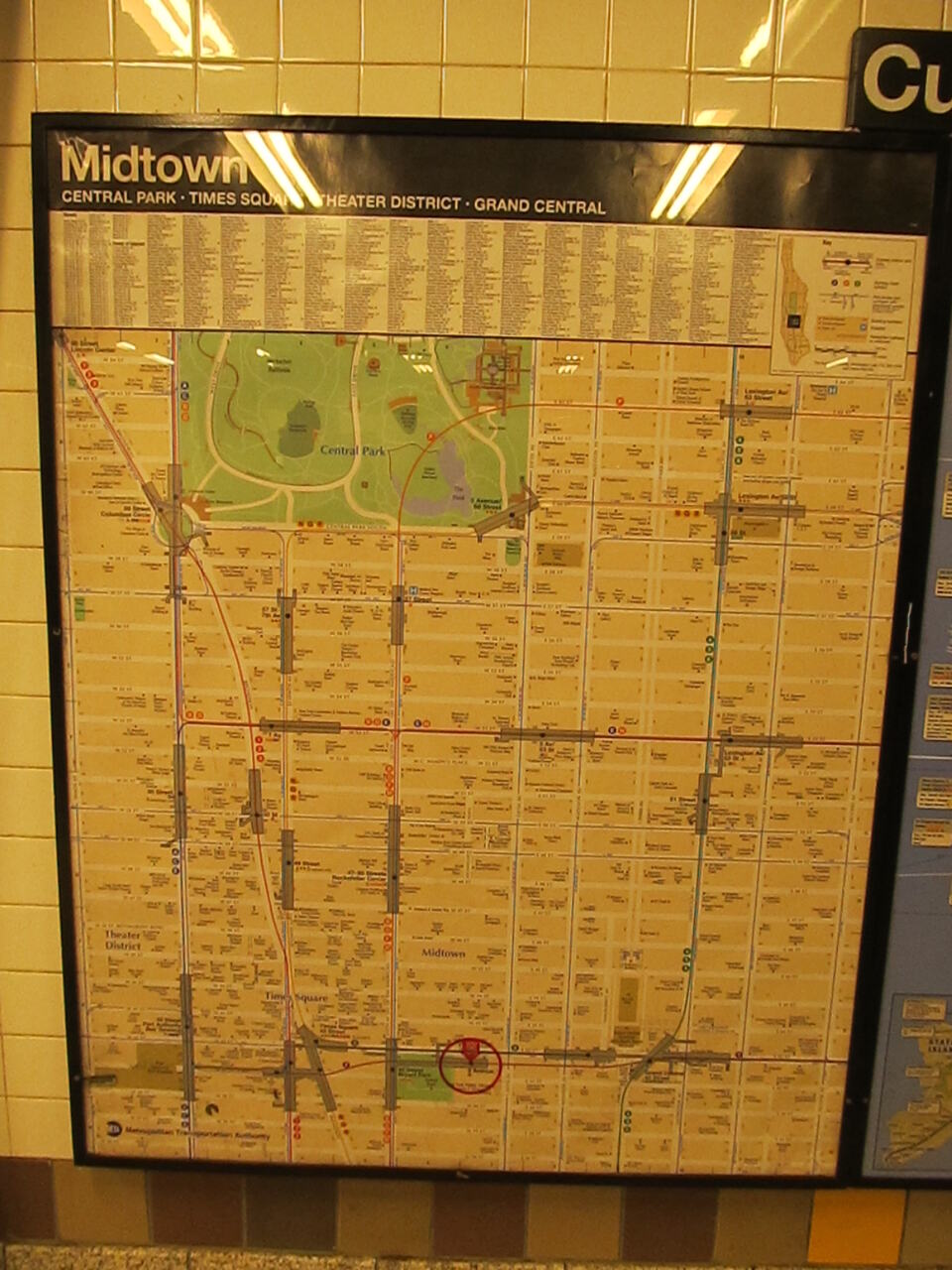
Manhattan above Houston Street is a grid. Avenues run north to south, streets run east to west, and the numbering makes navigation simple once you know which side of Fifth Avenue you are on, since that is where east and west addresses split.
Where to stay
- Midtown for transport links and walking to major sights, though it is busy and impersonal.
- Lower East Side and East Village for food and nightlife with decent subway access.
- Brooklyn, particularly Williamsburg or Downtown Brooklyn, for better value and a short ride in.
- Upper West Side for a quieter stay near Central Park.
Practical notes
Sales tax is added at the till, so prices on shelves are not what you pay. Tipping is expected in restaurants and bars, commonly 18 to 20 percent, and many card machines suggest amounts. Free public toilets are scarce, so use those in museums, department stores and large bookshops.
Subway service changes at night and at weekends, with lines rerouted for engineering work. Check the posted notices at the station entrance rather than assuming a line runs its normal route.
Common questions
- Is the subway safe at night?
- Busy lines and stations are generally fine, with normal city awareness. Wait in the marked areas and prefer the busier carriages late at night.
- Do I need a car?
- No. Parking is expensive and traffic is heavy. Public transport and walking cover almost everything visitors want.
- Which airport is best?
- Whichever gives you the better fare and schedule. Newark is convenient for west Manhattan, JFK has the most flights, and LaGuardia is closest for domestic routes.
Still stuck on something?
We publish information only, so your airline is always the right first call for a specific booking. If you cannot find an answer on the site, send us the question and we will point you to the right guide.