Once you are in the city, transport is mostly a question of which payment system to use. Get that right on day one and everything else becomes easy.
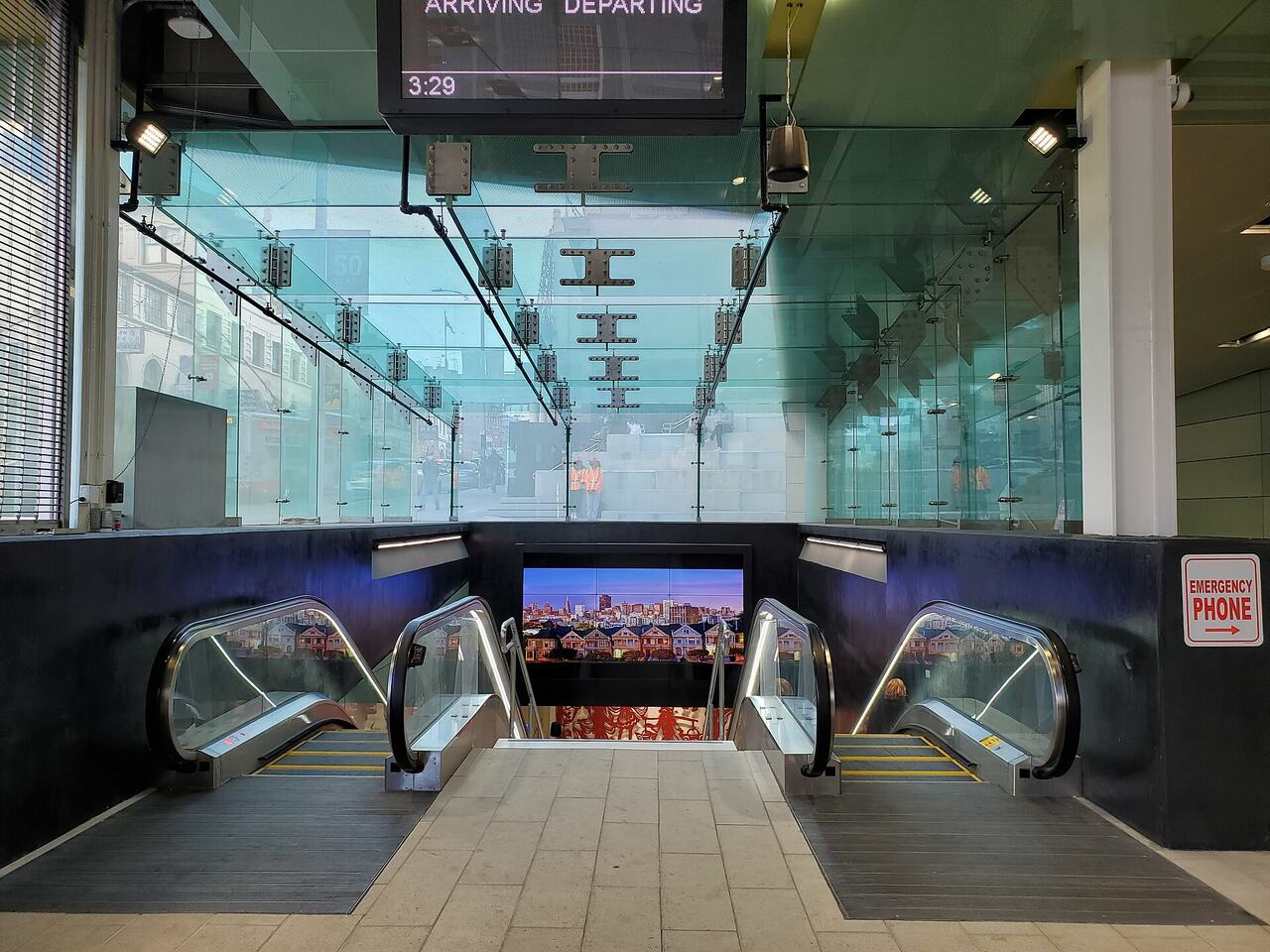
Passes and cards
- Contactless bank card, tapped directly at the gate, with a daily cap in some cities.
- Local stored value card, bought at a station machine with a small deposit.
- Tourist travel pass covering unlimited travel for a fixed number of days.
- Single paper tickets, which are the most expensive per journey almost everywhere.
Work out roughly how many journeys you will make per day. A tourist pass only pays off above about three or four rides daily, and many visitors buy one and then walk everywhere anyway.
Reading a metro map
Lines are named by number, colour or letter, and directions are given by the last station on that line. That is the piece travellers miss: you need to know the terminus name, not just the direction on a compass. Note both terminus names for each line you plan to use.
Buses and trams
Buses cover the gaps the metro misses and are pleasant for orientation, but they suffer from traffic. Trams are usually reliable and easy to use once you know the direction. In some cities you must board by the front door and exit by the middle, and locals will let you know quickly if you get it wrong.
Taxis and ride apps in town
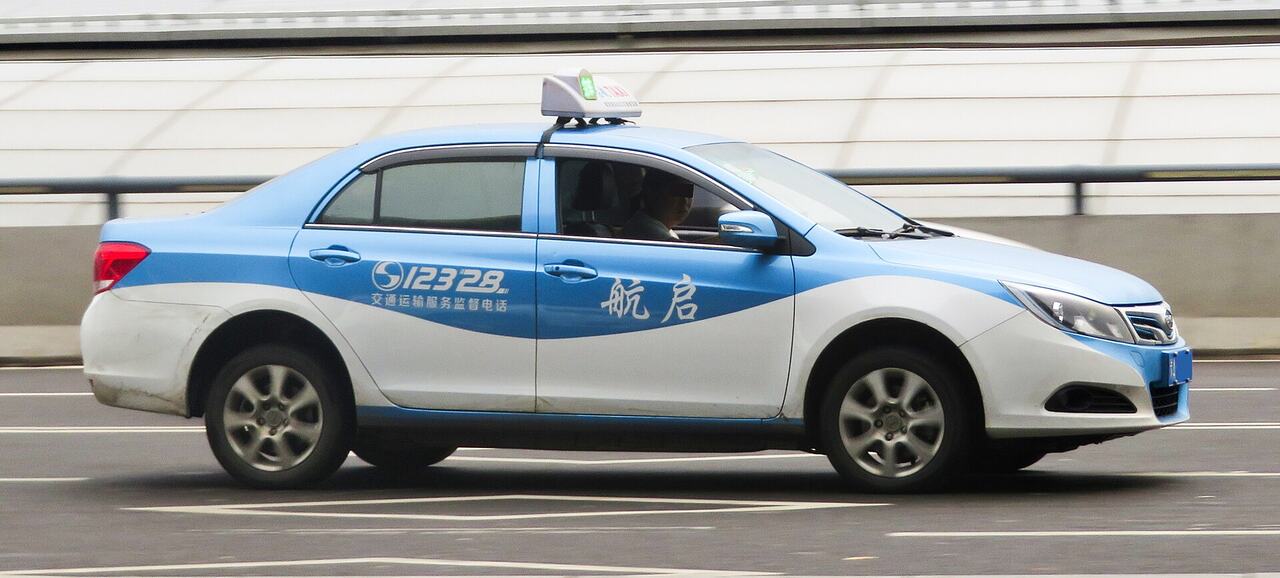
Inside the city, apps are usually cheaper and easier than hailing because the price is agreed in advance and the destination is written down. When there is no app, ask your accommodation to call a licensed taxi. Note that in some countries hailing on the street is normal and perfectly safe, in others it is a bad idea.
Bikes and scooters
Public bike schemes are excellent in flat cities with protected lanes and unpleasant where traffic is heavy. Check helmet rules, whether pavement riding is illegal, and where you are allowed to park, since fines for blocking a pavement are common.
Should you rent a car?
- Useful for rural areas, national parks and multi town road trips.
- Usually a mistake in dense historic cities with restricted traffic zones.
- Check whether you need an international driving permit, arranged before you travel.
- Understand the insurance excess and take dated photos of the car at pickup.
- Confirm the fuel policy and whether tolls use an electronic tag.
Whatever you choose, put the address of your accommodation in your notes app in the local language. It works for taxi drivers, for asking directions and for filling in forms, and it costs nothing to prepare.
Common questions
- Is public transport safe at night?
- In most large cities the main lines are fine, though quiet stations and late services deserve normal caution. Ask your accommodation about local specifics.
- Do children travel free?
- Often yes below a certain age, but the age limit varies. Check the operator's website rather than assuming.
- What if I board without a valid ticket by mistake?
- Approach an inspector or the driver before they approach you. Honest mistakes are sometimes handled with a warning.
Still stuck on something?
We publish information only, so your airline is always the right first call for a specific booking. If you cannot find an answer on the site, send us the question and we will point you to the right guide.