Most travellers lose more money to small percentages than to big mistakes. A poor exchange rate at an airport kiosk, a 3 percent foreign transaction fee, a currency conversion offered at the card terminal: individually they are minor, together they can cost a meaningful part of a trip budget.
Before you leave
Ten minutes of admin
- Tell your bank where and when you are travelling, or set a travel notice in the app.
- Check your card's foreign transaction fee and ATM withdrawal fee.
- Confirm your card does not expire during the trip.
- Make sure you can receive verification codes abroad, which matters if your bank texts them.
- Carry a second card from a different network, kept in a different bag.
The second card is the real insurance. Cards get blocked, cloned, swallowed by machines and demagnetised. Having a spare in another bag turns a crisis into an inconvenience.
Cards versus cash
In most large cities cards work almost everywhere and contactless is normal. In smaller towns, at markets, on rural buses and in some countries generally, cash still rules. A sensible default is to arrive with a small amount of local currency, enough for transport and a meal, and to rely on cards after that.
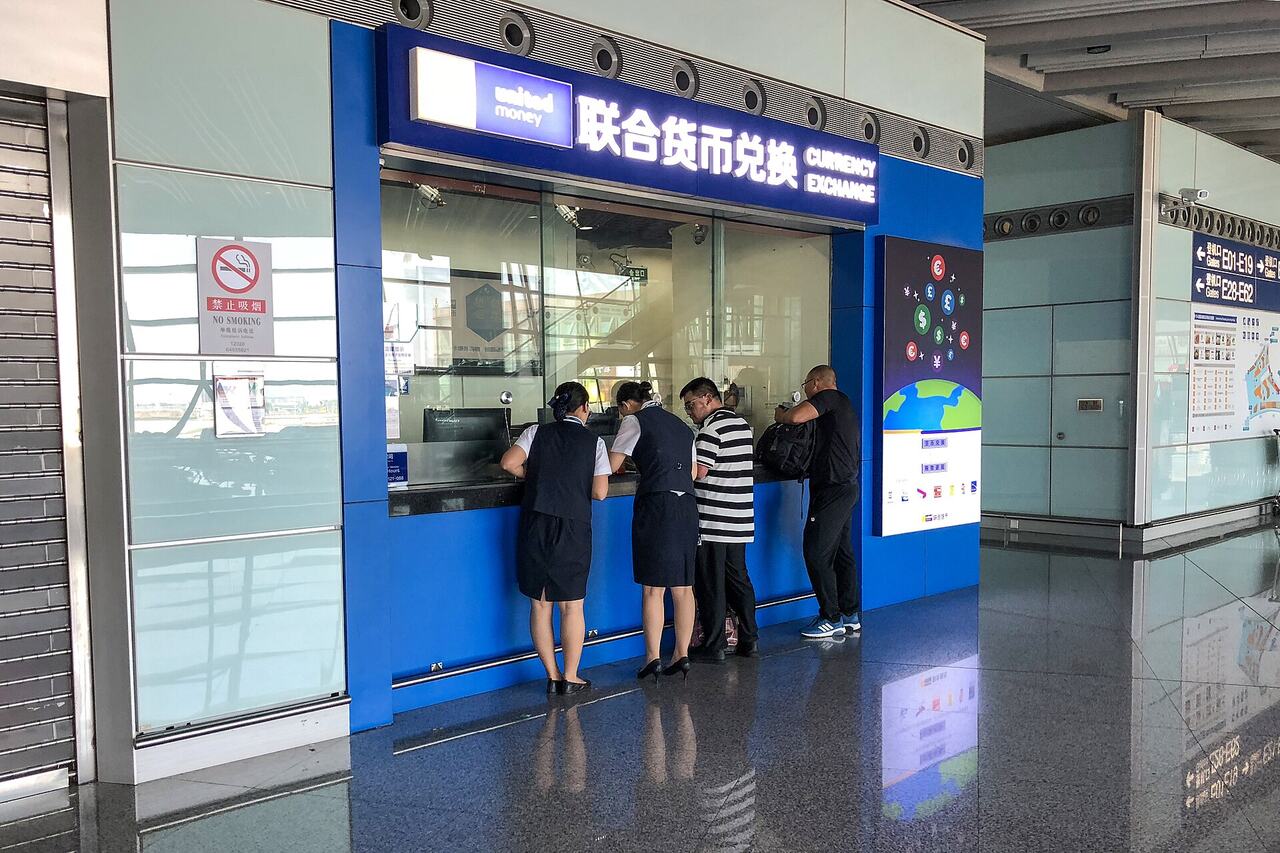
Avoid changing large amounts at the airport. Rates there are usually the worst you will see. If you must, change the minimum you need and find a better rate in town.
Using ATMs sensibly
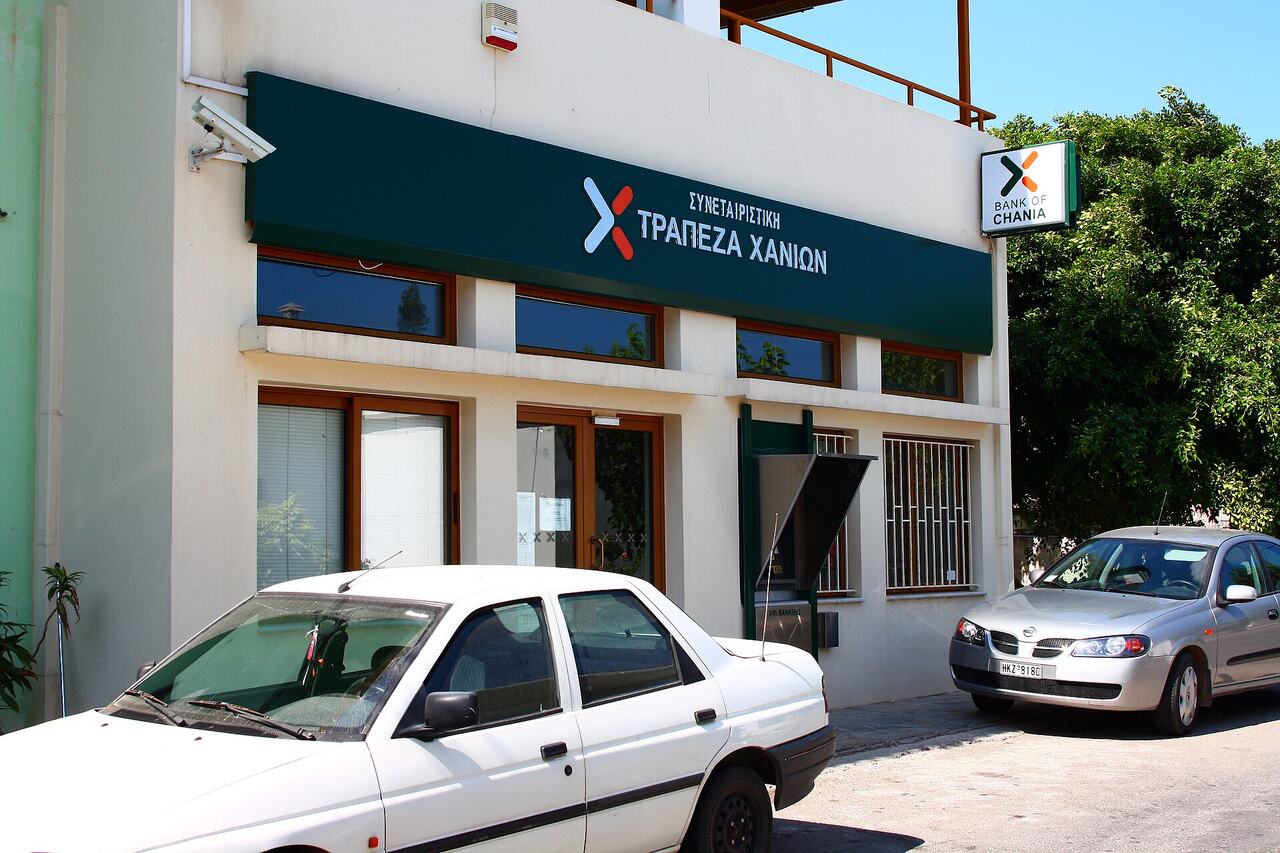
- Use machines attached to a bank branch where possible, ideally during opening hours.
- Withdraw larger amounts less often to reduce fixed fees, but only as much as you are comfortable carrying.
- Cover the keypad, and check for anything unusual attached to the card slot.
- Decline the conversion offer and take the local currency amount.
- Keep receipts until the transaction shows correctly in your app.
Phone payments and travel cards
Phone wallets work in most places that accept contactless, and they are safer than a physical card because the number is tokenised. They also fail if your battery dies, so never let your phone become the only way you can pay.
Multi currency accounts and prepaid travel cards let you hold local currency at a decent rate. They are useful, but check the weekend surcharge some of them apply and the ATM withdrawal allowance before you rely on one.
Tipping and small payments
Tipping norms vary enormously. In some countries a service charge is standard and additional tipping is unusual, in others staff depend on tips. Read one paragraph about your destination before arrival rather than guessing at the table.
Keep small notes for taxis, luggage handling and toilets. Breaking a large note in a taxi at midnight is where a lot of travellers accidentally overpay.
If a card is blocked or stolen
Freeze the card in your banking app immediately, which is faster than phoning. Then contact the bank to explain, because a fraud block often clears once you confirm the transaction was yours. Keep the bank's international phone number saved offline, since the toll free number in your home country may not work from abroad.
For theft, get a police report if you can. Insurers and banks both ask for one, and in some countries you must report within 24 hours for a claim to be valid.
Budgeting and tracking spending
It is easy to lose track of spending when everything converts automatically and the numbers on the screen no longer feel like real money. A quick habit that helps is checking your banking app once a day rather than once a week, so unusual charges are caught early and the running total stays roughly in your head.
If you are travelling on a fixed budget, consider a dedicated travel account or a prepaid card loaded with a set amount. Once that balance is gone you have a clear signal to slow down, which is harder to notice on a normal credit card with a high limit.
Currency exchange strategy
- Order a small amount of local currency from your home bank before you leave, if the rate is reasonable and the destination expects cash on arrival.
- Compare a card's exchange rate against the mid market rate shown by a currency converter app, since the gap tells you the real cost.
- Avoid exchanging money at hotel desks, which usually carry the worst rates of any legitimate option.
- If you will visit several countries, check whether one card handles all the currencies well rather than juggling several providers.
Rates move throughout a trip, and chasing the perfect moment to exchange rarely saves much money in practice. A reasonable rate today beats a theoretically better one that never quite arrives, so do not obsess over timing the market for a week's holiday.
Business travel and expenses
If your trip is for work, keep personal and business spending on separate cards where possible, since untangling a mixed statement for an expense claim is tedious and easy to get wrong. Photograph receipts as you go rather than saving a pile of paper for the flight home, when half of them have already faded or gone missing.
Common questions
- How much cash should I bring?
- Enough for the first day plus a modest emergency reserve. The right number depends on the destination, but a few hundred units of local currency covers most arrival situations.
- Are airport exchange desks ever worth using?
- Only for a small amount when you have no other option. Compare the buy and sell rates on the board to see the real spread.
- Should I tell my bank I am travelling?
- Yes if the bank offers a travel notice. Many banks now detect travel automatically, but a notice still reduces the risk of a block.
Still stuck on something?
We publish information only, so your airline is always the right first call for a specific booking. If you cannot find an answer on the site, send us the question and we will point you to the right guide.