Barcelona is a grid city with a beach at one end and hills at the other, which makes orientation unusually easy. Two practical things matter on arrival: the airport transfer and the transport card.
From the airport
- Aerobus: express coaches from both terminals to Placa Catalunya, around 35 minutes.
- Metro line 9 Sud connects both terminals but needs a special airport fare and a change to reach the centre.
- Renfe R2 Nord train from terminal 2 to Sants and Passeig de Gracia, around 25 minutes.
- Official black and yellow taxis with a fixed airport supplement, roughly 30 minutes to the centre.
The Aerobus is the simplest choice for most visitors with luggage. The train is cheaper but requires a shuttle if you land at terminal 1.
Transport tickets
The T-casual card gives ten journeys within zone 1 and can be shared between people travelling separately, though not on the same journey. It covers metro, bus, tram and local trains, with free transfers within a time window. Note that standard tickets do not cover the airport metro line.
Getting around
The metro is clean, frequent and easy to read. The Eixample grid is walkable but blocks are long, so distances look shorter on a map than they feel. Bikes and scooters are widely used and lanes are good, though pavement riding is prohibited.
Where to stay
- Eixample for central location, wide streets and good metro access.
- Gracia for a village feel with squares and independent restaurants.
- El Born for history and nightlife within walking distance of the old city.
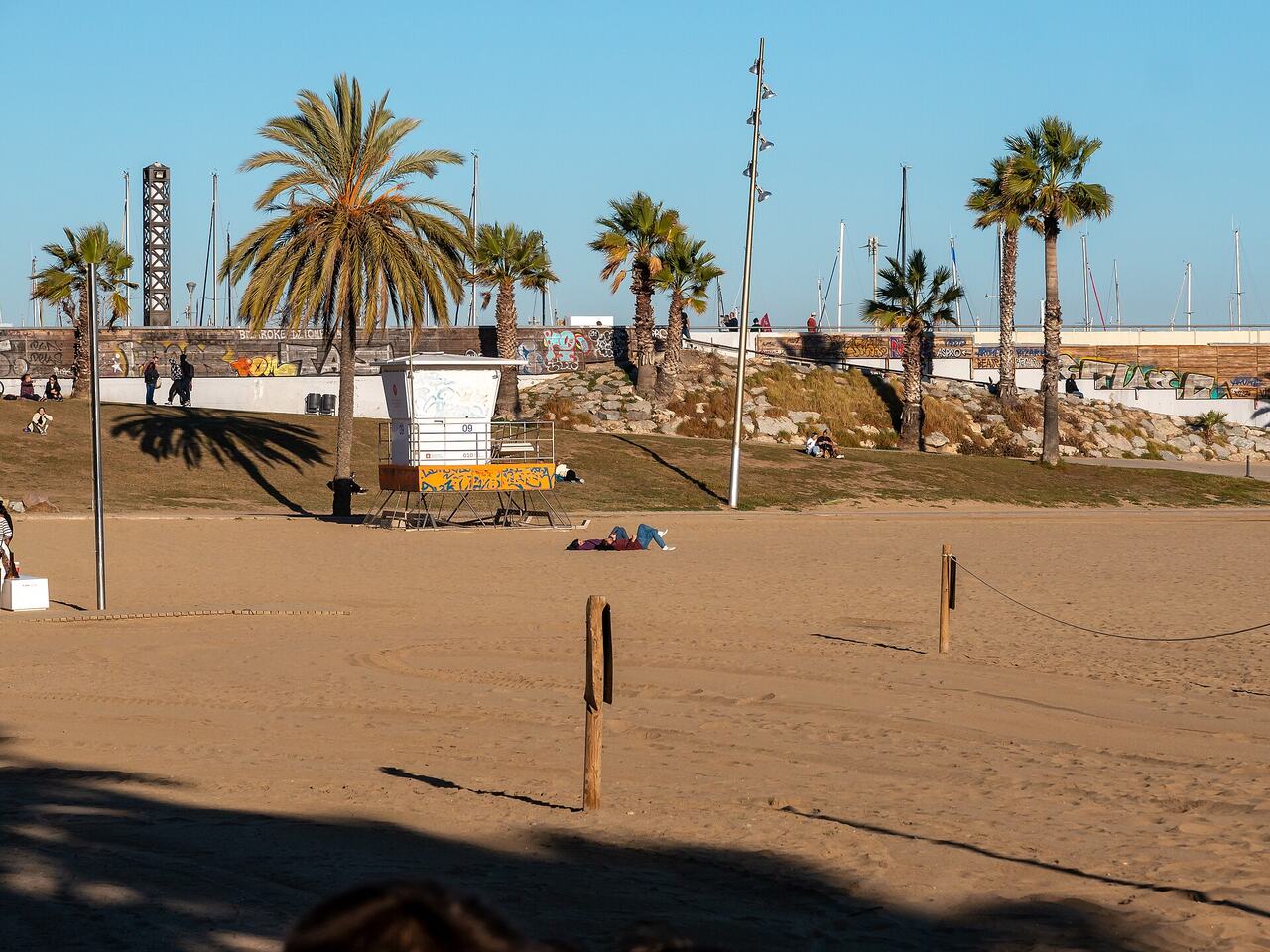
- Poblenou for a quieter, modern area near the beach.
Practical notes
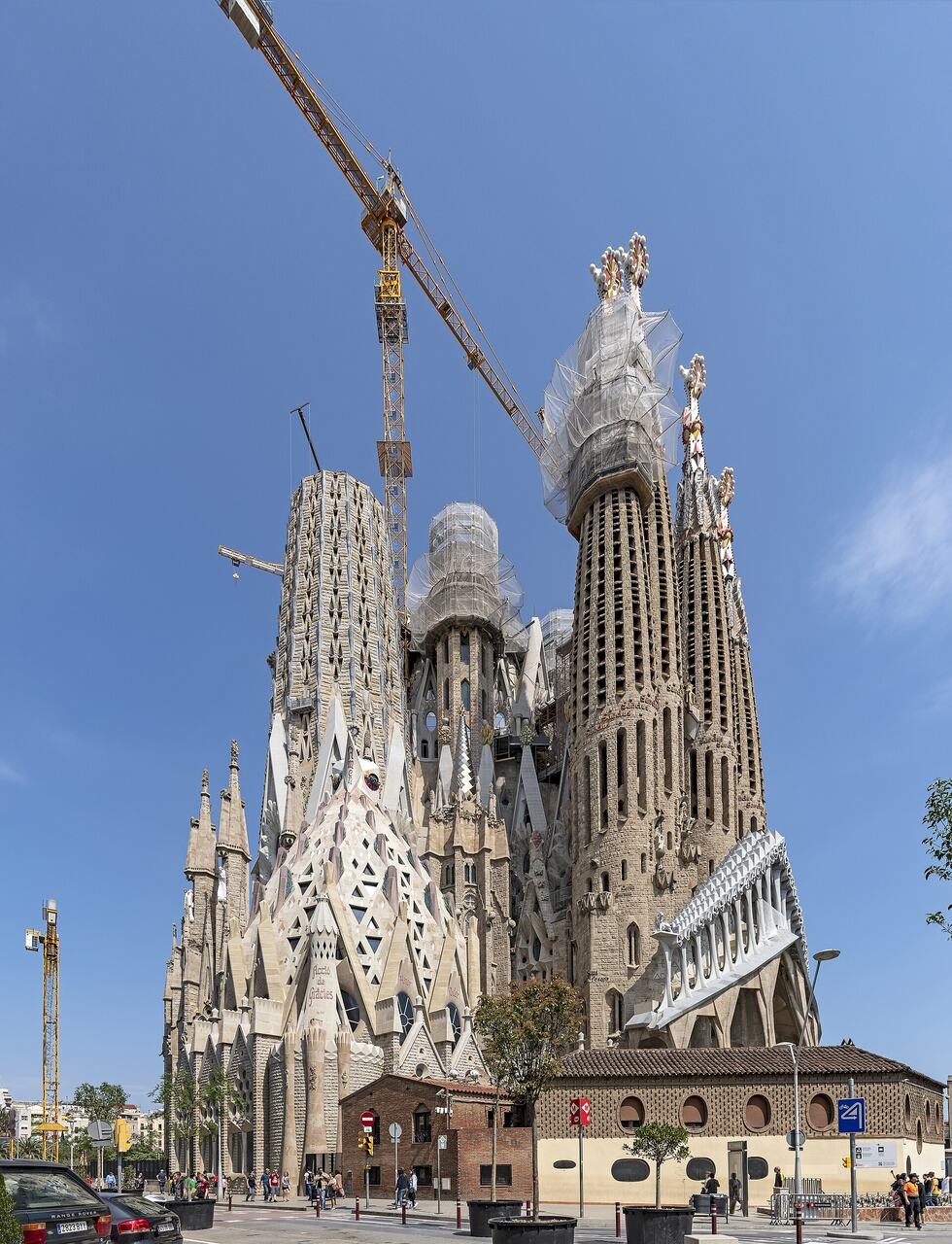
Book Sagrada Familia, Park Guell and Casa Batllo online in advance with a timed entry. They sell out, and the walk up queues are long in every season. Many restaurants serve dinner from 20:30, and eating at 19:00 usually means a tourist menu.
Pickpocketing is common on La Rambla, in metro stations and around busy sights. Nothing in a back pocket, bags worn in front, and phones off restaurant tables. Violent crime is rare, opportunistic theft is not.
Common questions
- Is Catalan or Spanish spoken?
- Both are official. Signage is often in Catalan, and Spanish is universally understood. English is common in tourist areas.
- Do I need a card for the beach areas?
- They are within zone 1, so a normal T-casual covers them.
- When is the quietest time to visit?
- Late autumn and winter, aside from the holiday period. Summer is hot, crowded and the most expensive.
Still stuck on something?
We publish information only, so your airline is always the right first call for a specific booking. If you cannot find an answer on the site, send us the question and we will point you to the right guide.