Comfort in the air is mostly decided on the ground. Once the door closes, your options are limited to what you brought with you and where you are sitting, so the useful work happens before boarding.
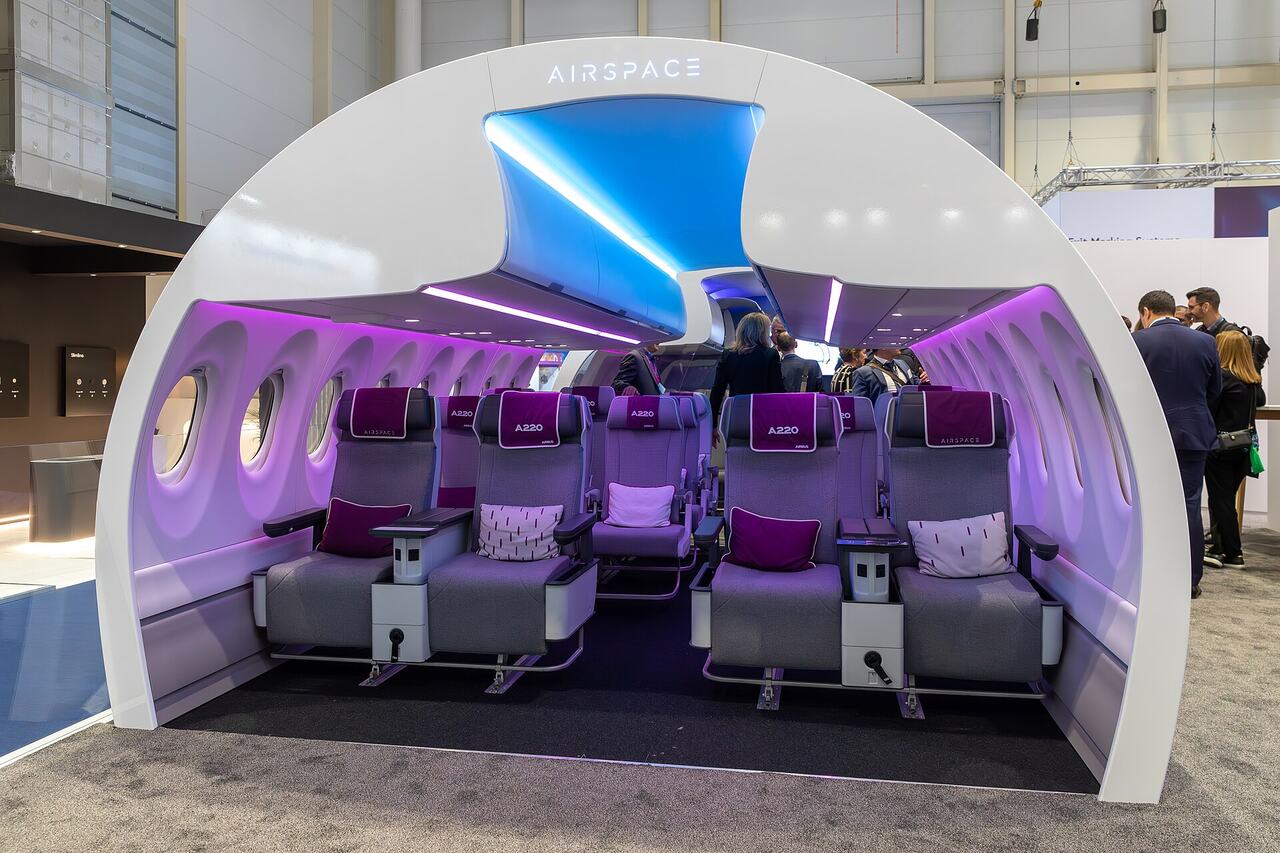
Choosing a seat
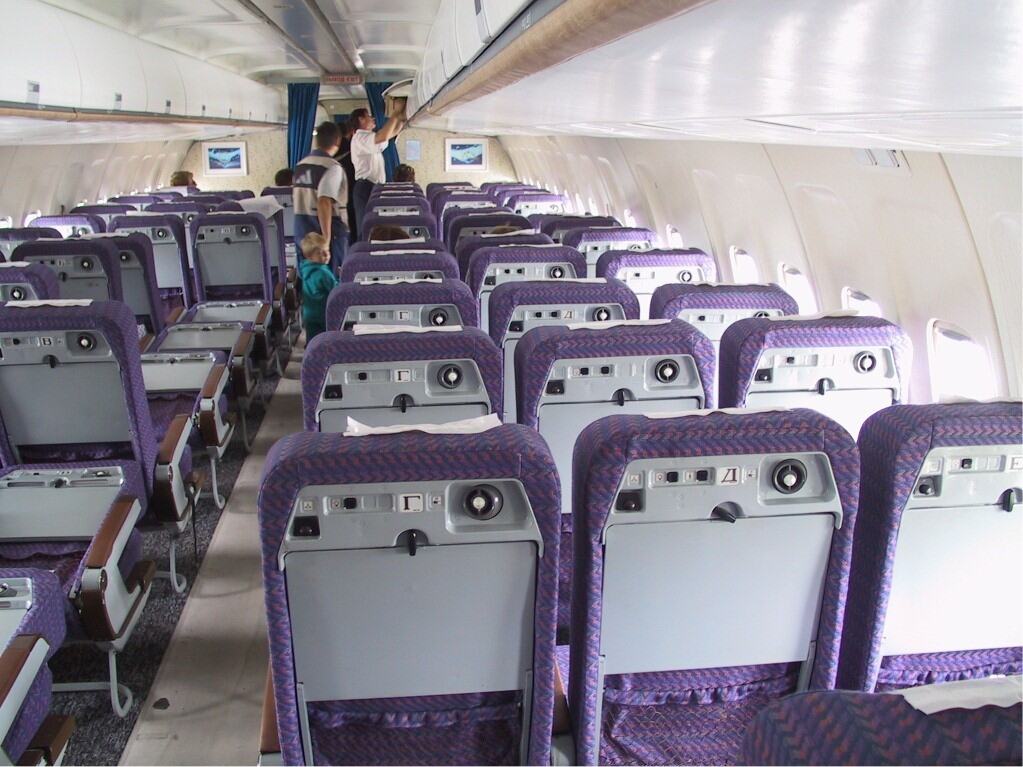
- Window if you want to sleep undisturbed and lean against something.
- Aisle if you want to move often, which matters on flights over eight hours.
- Avoid the last row, which is near galleys and toilets and often has limited recline.
- Avoid the row in front of an exit row, which sometimes has no recline at all.
- Bulkhead rows have legroom but no under seat storage and fixed armrests.
Seat maps and cabin layouts vary by aircraft, and aircraft change. Check the seat map again a day before departure, since an aircraft swap can quietly move you from a good seat to a bad one.
Hydration and food
Cabin humidity is low, typically well below what you experience indoors on the ground. That is why your eyes, throat and skin dry out. Fill a bottle after security and drink steadily rather than waiting for the cart.
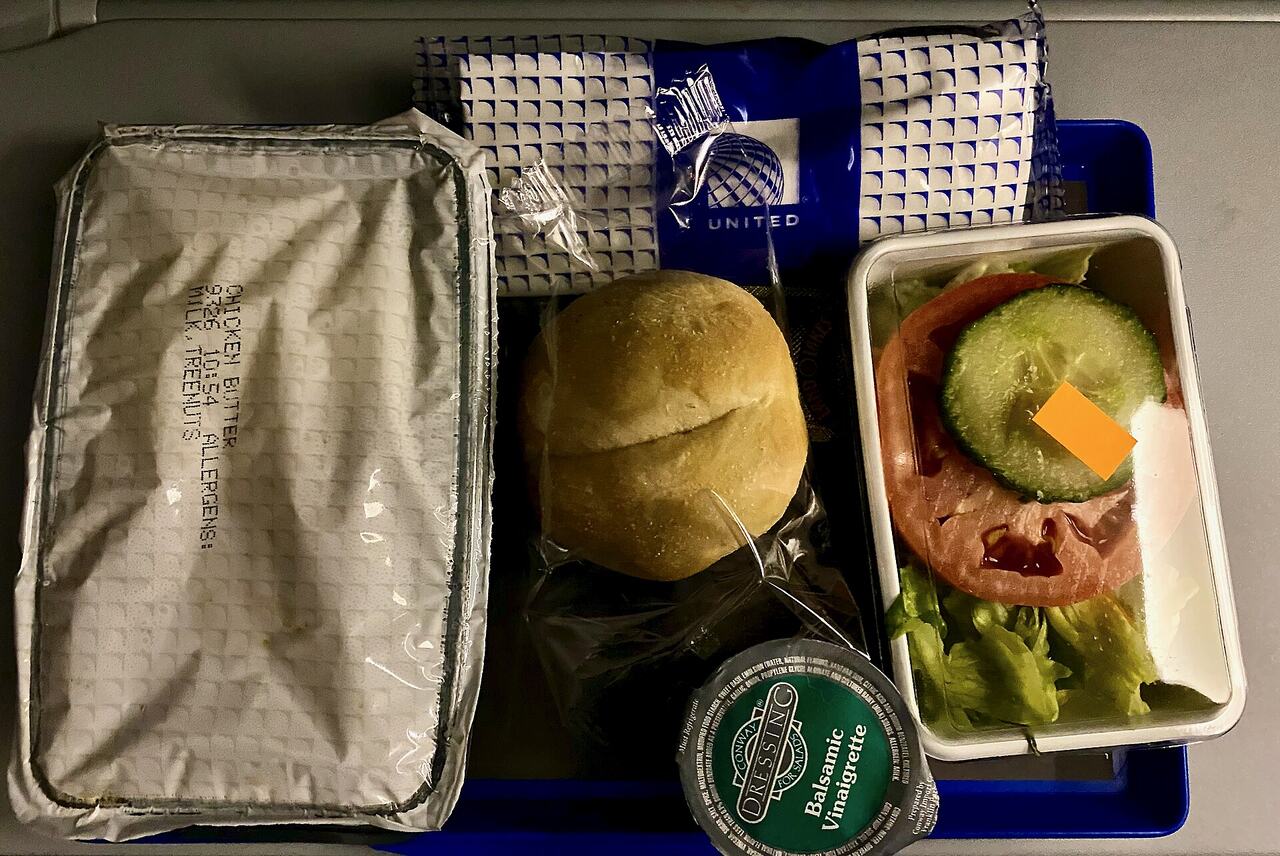
Alcohol and heavy meals both make sleep worse and dehydration more noticeable. If you want to eat well on board, a light meal before the flight and a smaller portion in the air usually works better than the reverse.
Movement
Get up every two to three hours if you are awake. When seated, roll your ankles, flex your calves and change position regularly. Compression socks are worth considering on flights over six hours, particularly if you have circulation concerns, and are widely recommended for anyone with a history of clots. Ask your doctor if you are unsure.
The small kit that works
Keep these within reach
- Eye mask and earplugs, or noise cancelling headphones.
- Refillable water bottle.
- Lip balm and a small moisturiser under the liquid limit.
- Toothbrush and a spare pair of socks.
- Any medication you take daily, plus painkillers.
- Downloaded entertainment and a charged battery pack.
Put all of it in one small pouch and keep the pouch in the seat pocket. The single biggest comfort mistake is putting everything you need in the overhead bin and then not wanting to disturb your neighbours.
Screens, sleep and light
Light exposure drives your body clock more than anything else on board. If you are flying into a morning, keep the window shade down and sleep. If you are trying to stay awake, use the entertainment system and keep the light on rather than dozing off in stages.
Being a good neighbour
Recline slowly and check behind you. Use the aisle armrest, not both. If you want the window seat's shade open or closed, ask rather than reach. Small courtesies make a shared eleven hours far more pleasant, and they are usually returned.
Common questions
- Do neck pillows help?
- For some people, yes, particularly the firmer wrap around designs. Inflatable ones are easier to carry but support less.
- Should I take a sleeping tablet?
- Only after speaking with your doctor. Sedatives reduce movement, which is not ideal on long flights.
- Is it worth paying for extra legroom?
- On flights over eight hours most travellers say it is, especially if you are taller than about 185 centimetres.
Still stuck on something?
We publish information only, so your airline is always the right first call for a specific booking. If you cannot find an answer on the site, send us the question and we will point you to the right guide.