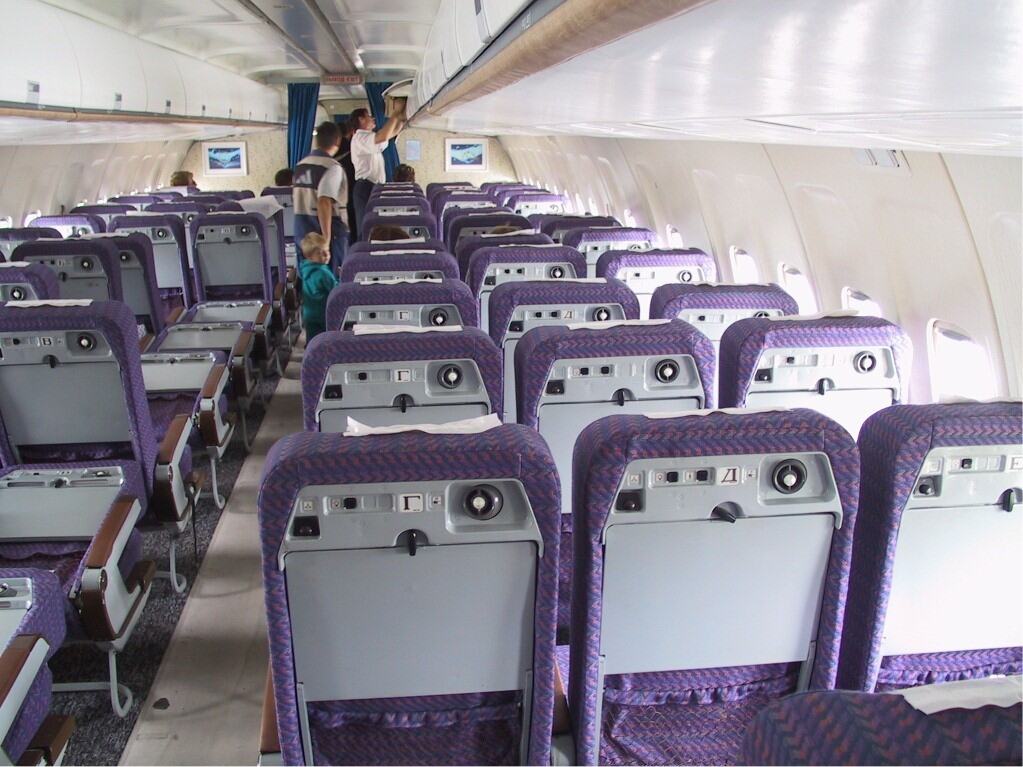
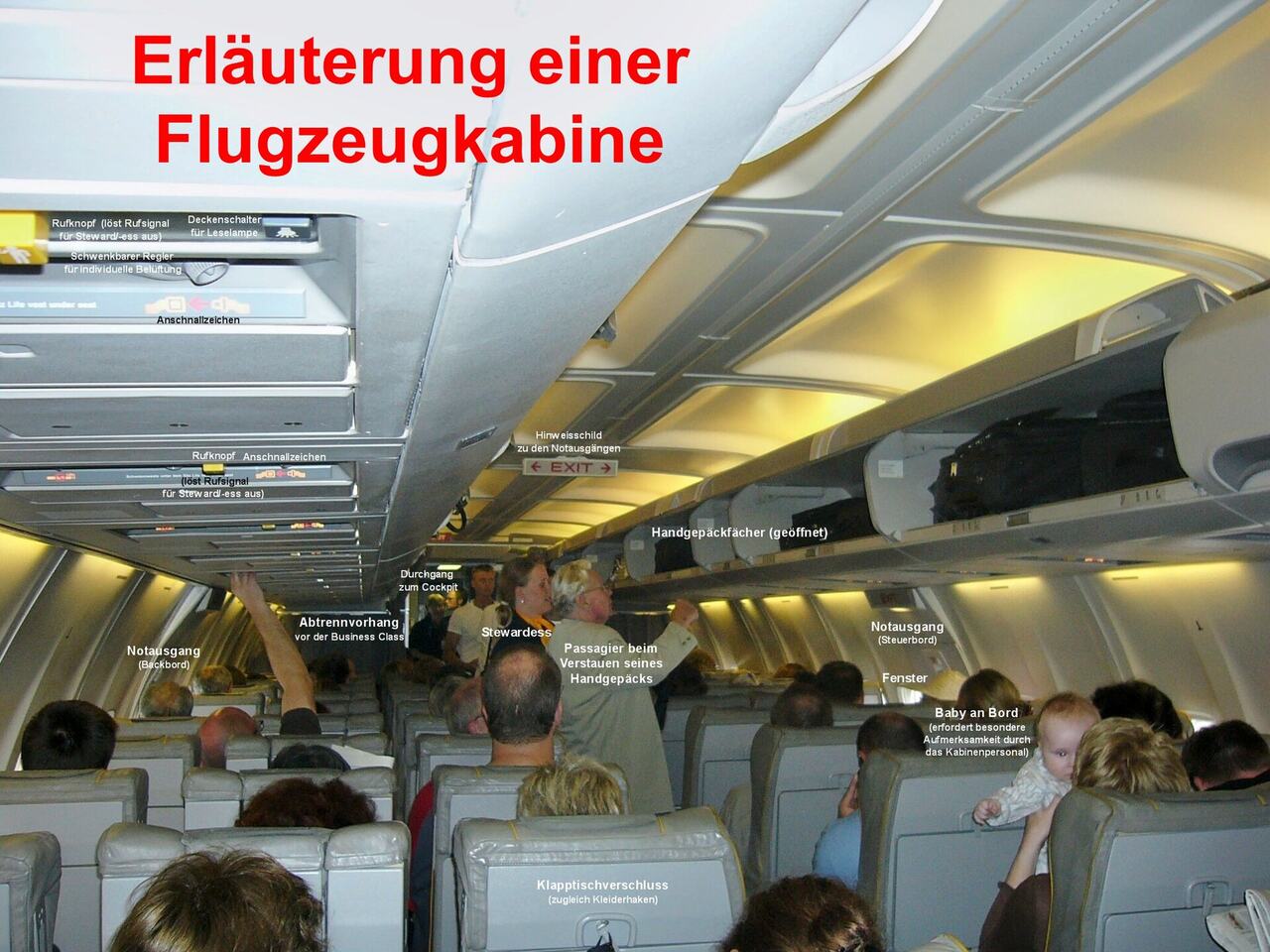
Long haul flights follow a predictable script. Knowing the script helps you plan sleep, food and toilet visits around the busy periods instead of colliding with them.
Boarding to cruise
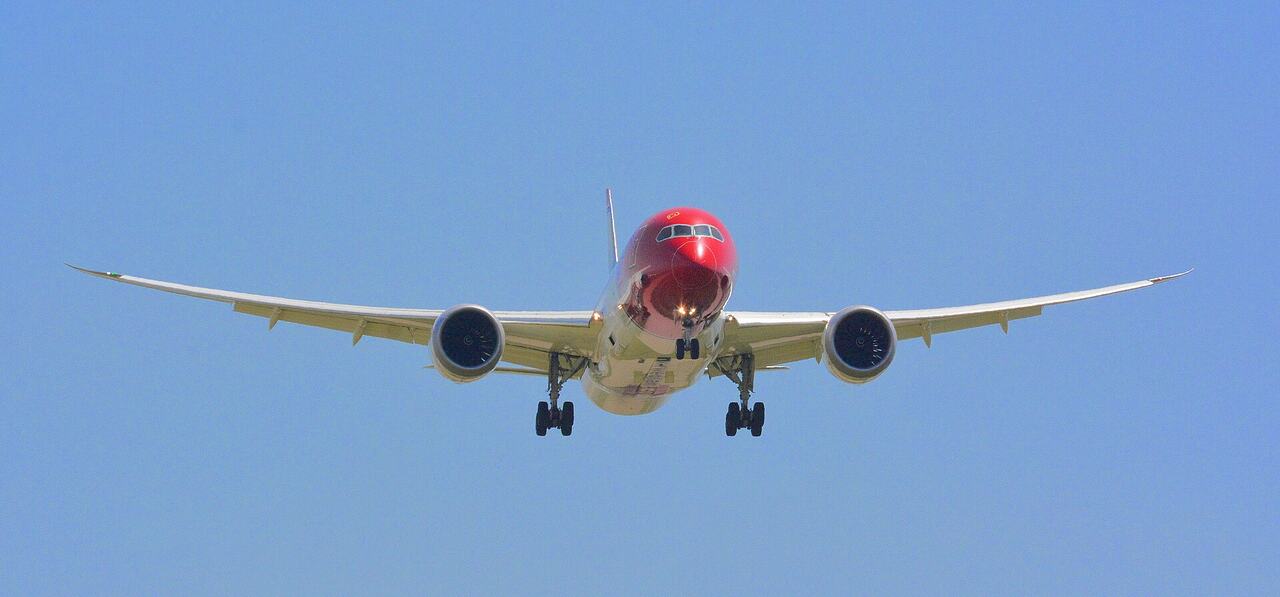
Boarding a wide body aircraft takes 30 to 45 minutes. After push back there is taxi time, which at a big hub can be twenty minutes on its own. Once the seat belt sign goes off, crews start the first service, usually drinks followed by a meal.
The first meal
Expect the first meal roughly one to two hours after departure, depending on the timing of the flight. If you pre ordered a special meal, it usually arrives before the general service, so stay awake for it or tell the crew to keep it for you.
The quiet middle
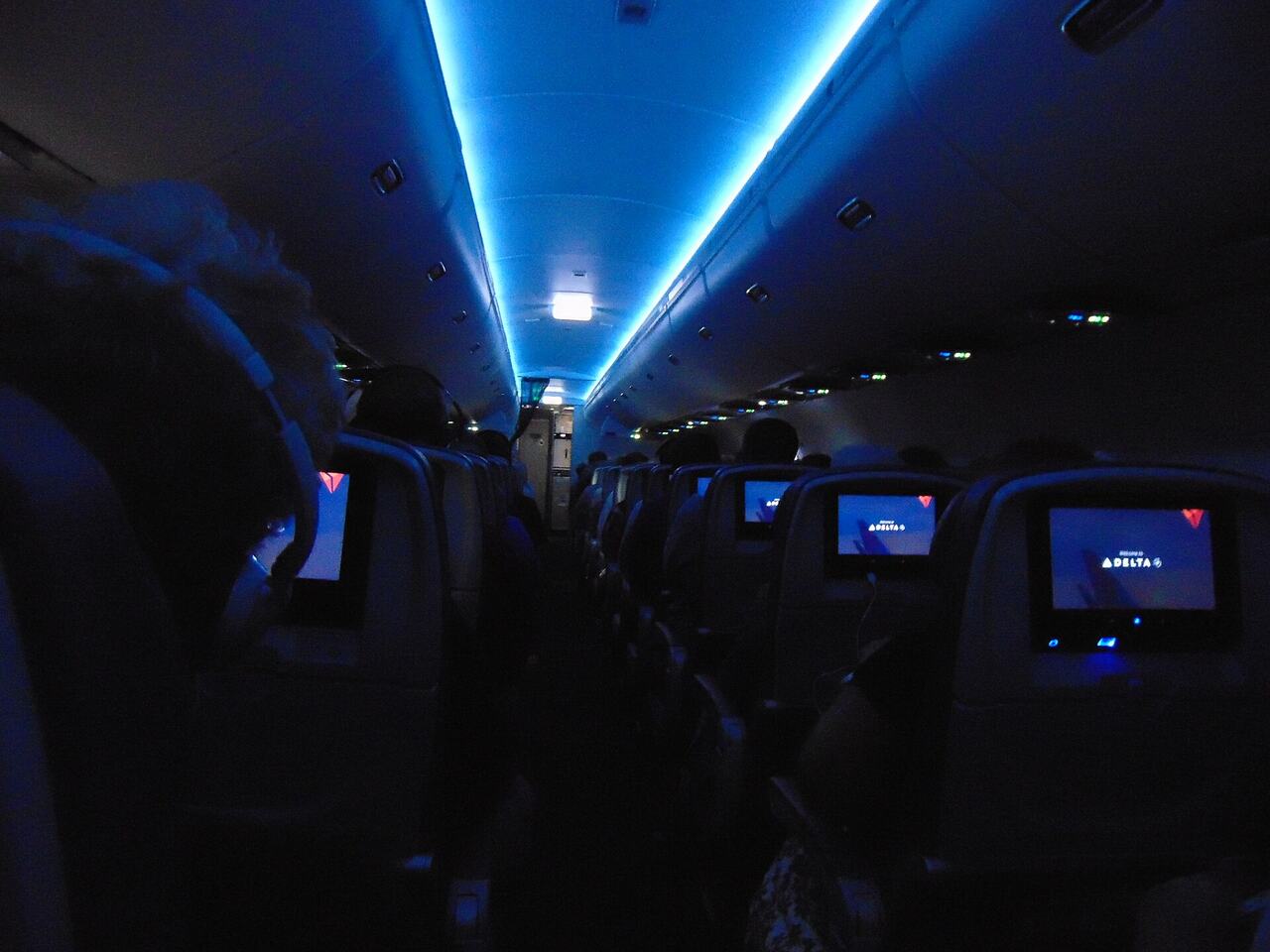
After the meal the lights dim and the cabin settles. On overnight flights this is the sleep window and the crew will normally leave you alone. Water is usually self service in a galley area, which is a good reason to know where the nearest galley is.
Crews on very long flights take rest breaks in shifts, so there will always be someone available but the cabin will feel emptier of staff during that period.
Turbulence
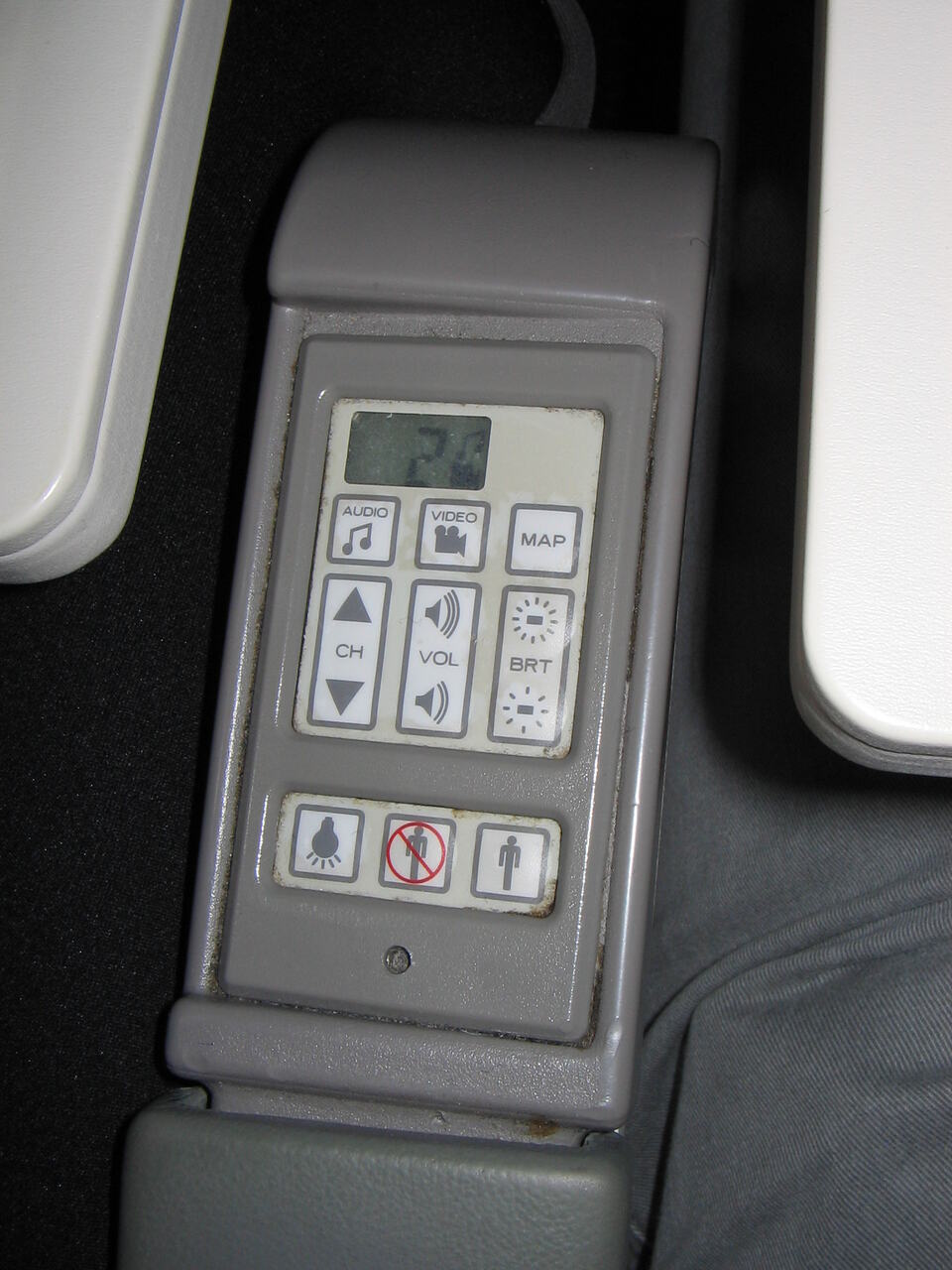
Turbulence is uncomfortable but routine, and modern aircraft are designed with far greater loads in mind than passengers ever experience. Keep your seat belt loosely fastened whenever you are seated, which is the actual safety advice, since most turbulence injuries happen to people who are standing.
The second service and arrival prep
Around 90 minutes to two hours before landing, lights come up and a second meal or breakfast is served. Crews then collect rubbish, hand out any arrival cards, and prepare the cabin. Toilets get busy in this window, so go early.
- Fill in arrival or customs cards while the tray table is still down.
- Have a pen in your pocket, since asking for one on a full flight takes ages.
- Repack your seat pocket items before the crew ask you to.
- Set your watch and phone to destination time.
- Check the seat pocket twice, because that is where phones and passports get left.
Descent and landing
Descent takes 20 to 30 minutes. Ears equalise more easily if you swallow, yawn or chew, and for children a drink helps. If you have a cold, a decongestant before descent can make a real difference, but check what is suitable for you first.
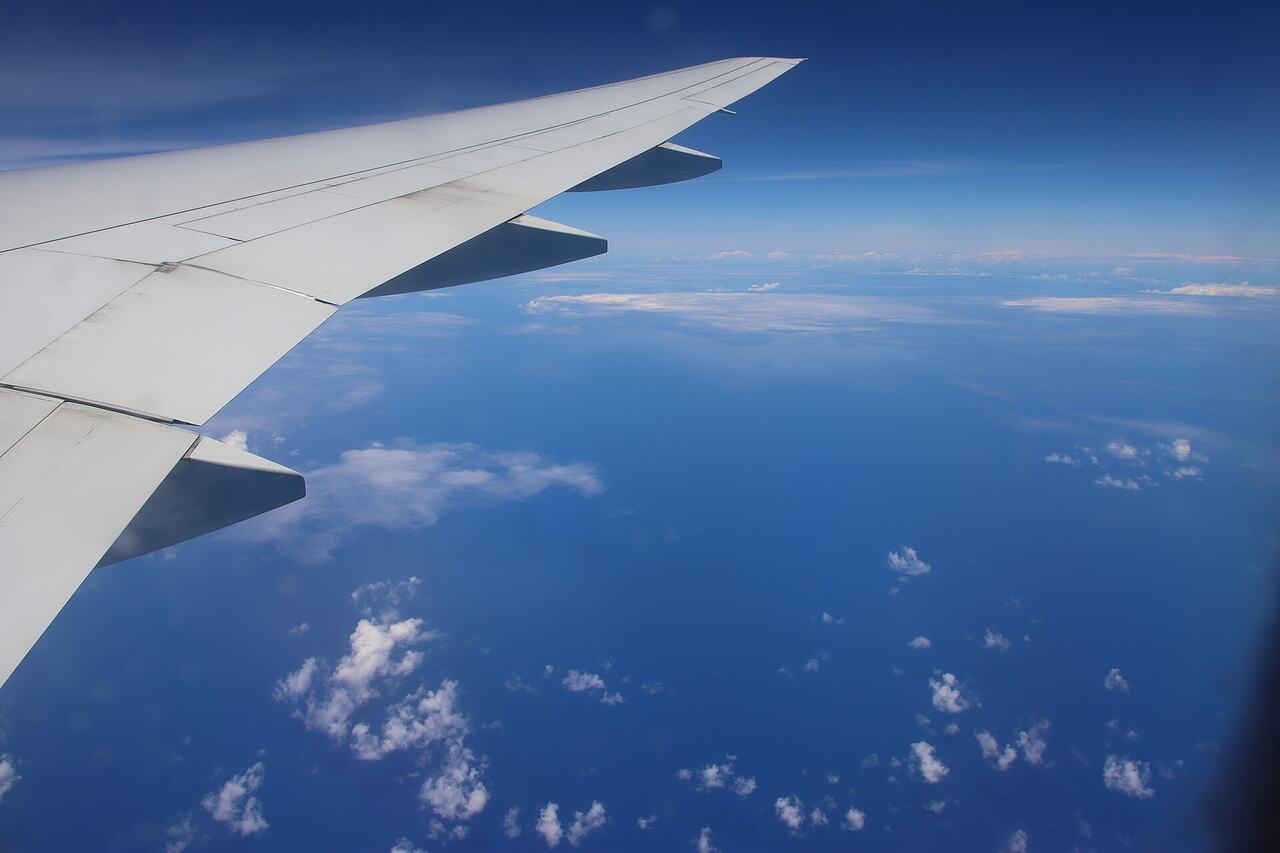
After landing, taxi time can be long at big airports. Stay seated until the seat belt sign goes off. If you have a tight connection, tell the crew earlier in the flight so they can help you get off first.
Common questions
- Can I ask for extra water?
- Yes, crews expect it on long flights. Asking for a full bottle rather than repeated cups is easier for everyone.
- Is wifi usually available?
- Increasingly yes, though speed varies and it often does not work over some oceans and polar routes.
- Do I have to fill in an arrival card?
- It depends on the destination. Many countries have moved to digital forms, which you should complete before flying.
Still stuck on something?
We publish information only, so your airline is always the right first call for a specific booking. If you cannot find an answer on the site, send us the question and we will point you to the right guide.