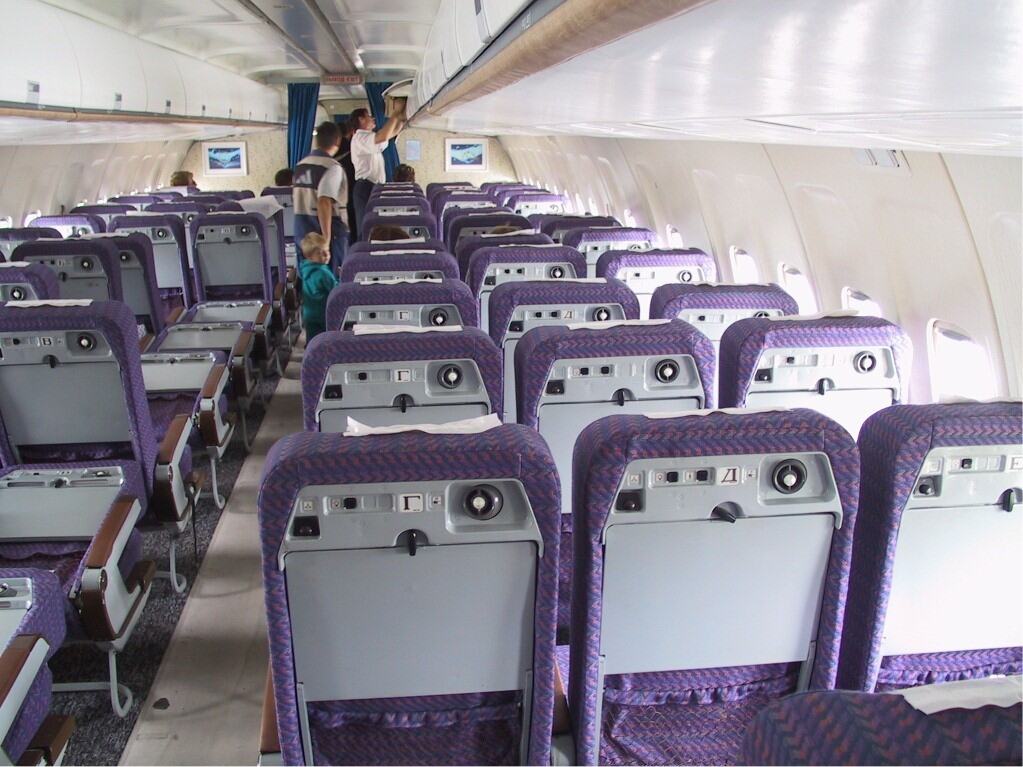
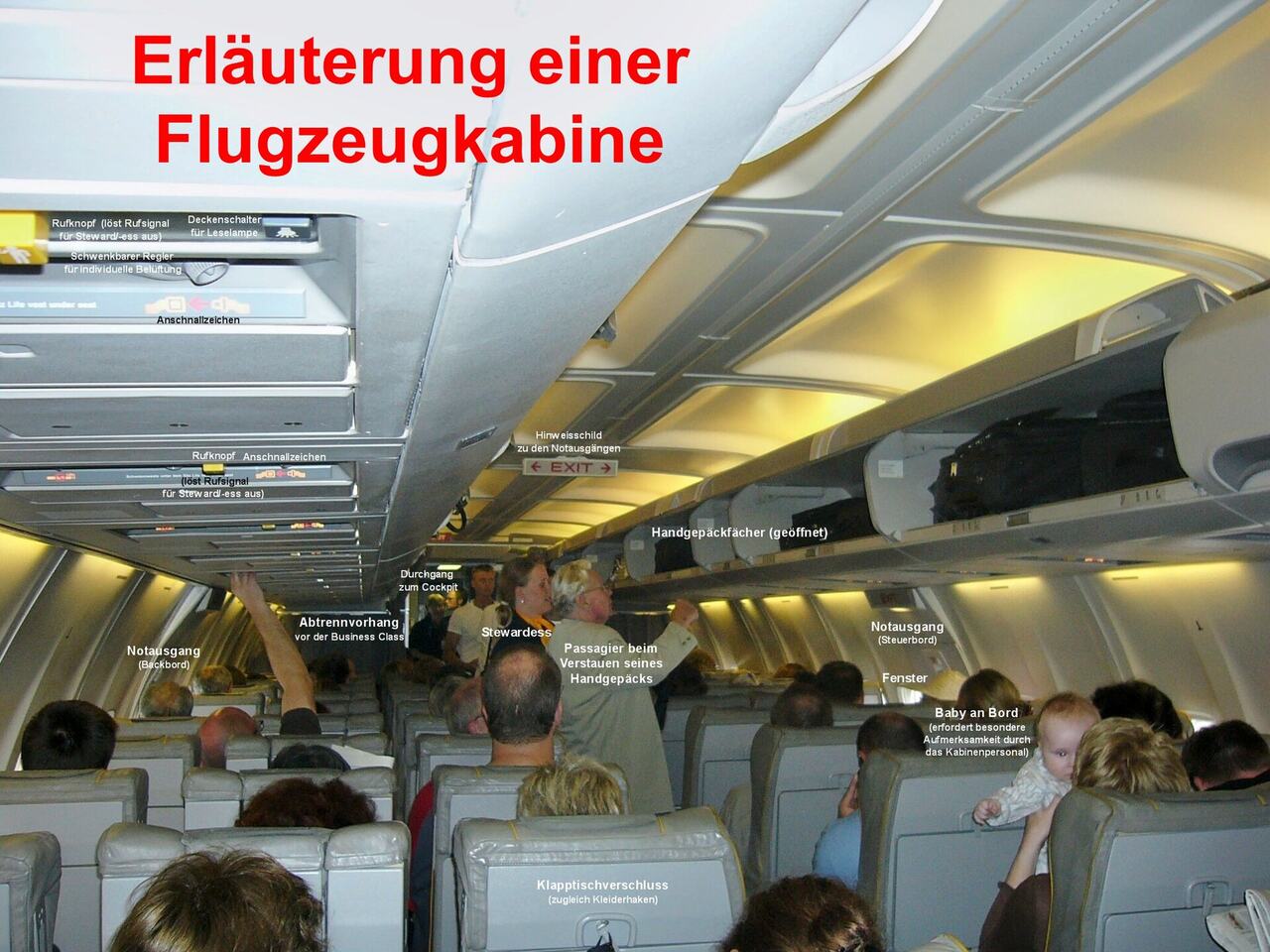
Nobody sleeps as well in a seat as in a bed, but the difference between three hours of broken sleep and none at all changes your entire first day. Most of it comes down to timing and light, not equipment.
Start on destination time
Set your watch and phone to the destination time zone as you board, then behave as if you are already there. If it is 11pm at the destination, aim to sleep after the first meal. If it is midday there, stay awake and use the entertainment system.
Prepare the seat
- Window seat if possible, so nobody needs to climb past you.
- Everything you need in the seat pocket before the lights dim.
- Seat belt fastened over your blanket so the crew do not need to wake you.
- Shoes off, socks on, and a scarf or hood for warmth.
- Recline once, early, rather than adjusting repeatedly.
Light, noise and temperature
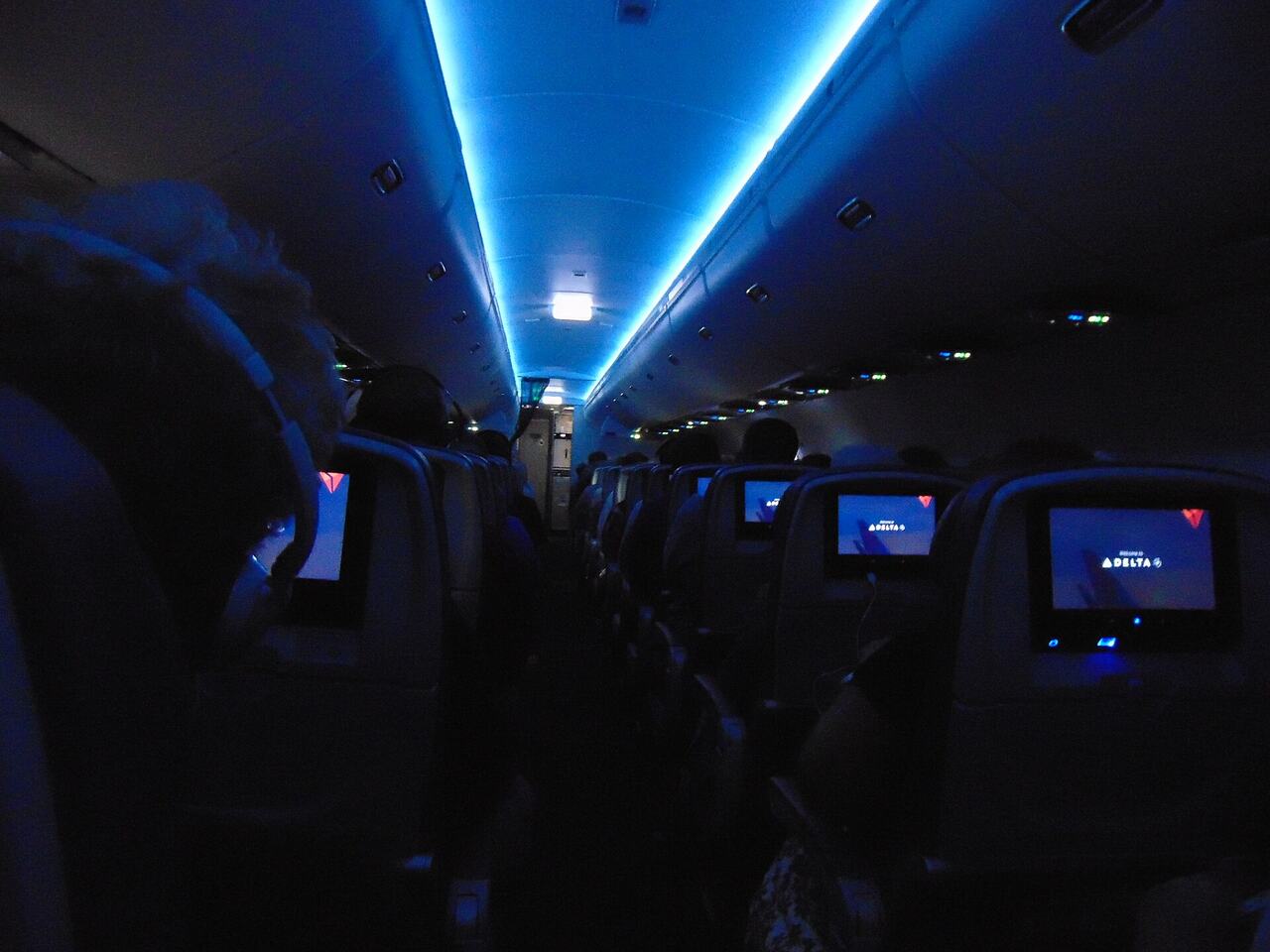
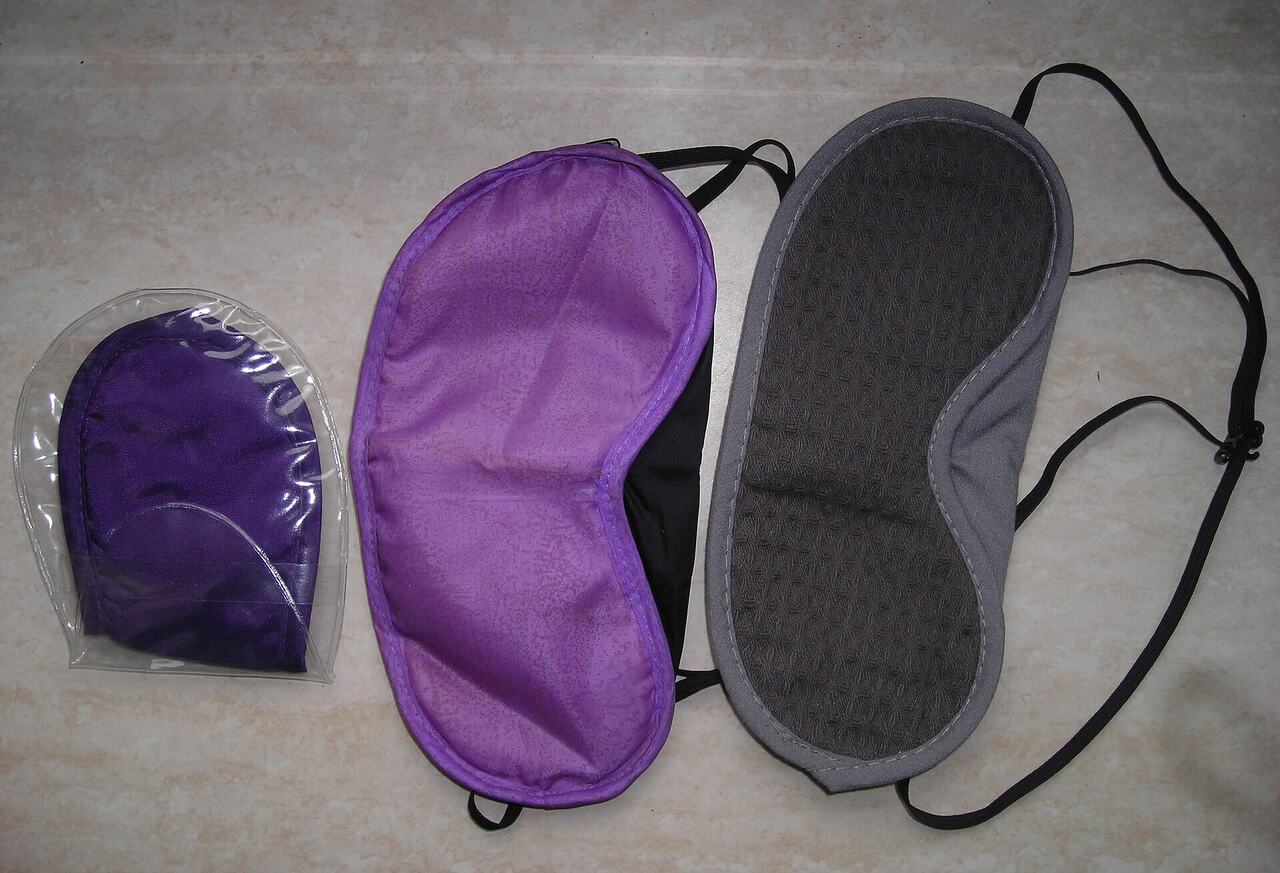
An eye mask is the highest value item in a sleep kit because cabins are never fully dark. Noise cancelling headphones or foam earplugs handle the engine drone. Being cold is the most common reason people wake up, so ask for a second blanket early, before they run out.
What to avoid
Alcohol makes you drowsy then fragments sleep later in the flight. Caffeine in the second half of a night flight will affect the first day at your destination. Heavy meals shortly before trying to sleep make it harder for most people.
Arriving and jet lag
Jet lag improves roughly a time zone per day, and the direction matters. Flying east is usually harder, since you are asking your body to sleep earlier than it wants to.
- 1Get outside in daylight as soon as you can after arriving.
- 2Eat meals at local times, even if you are not hungry yet.
- 3Keep any nap under 30 minutes and never after mid afternoon.
- 4Go to bed at a normal local hour, even if you only manage a few hours.
- 5Keep the second day active outdoors, which is when the adjustment really happens.
If your trip is only two or three days, it can be easier to stay closer to your home schedule and plan meetings accordingly, rather than half adjusting in both directions.
Common questions
- Is melatonin useful?
- Some travellers find it helps with timing rather than sedation. Availability and rules differ by country, so check locally and with your doctor.
- Which seats are quietest?
- Generally forward of the wings and away from galleys and toilets. The very back of the cabin is the noisiest and busiest.
- Should I take a full day flight instead?
- For eastbound long haul, a daytime flight followed by an early local bedtime suits some people better than an overnight.
Still stuck on something?
We publish information only, so your airline is always the right first call for a specific booking. If you cannot find an answer on the site, send us the question and we will point you to the right guide.