A connection is either straightforward or a small operation, and the difference depends on three things: whether the flights are on one ticket, whether you have to clear immigration, and whether you change terminals.
One ticket versus separate tickets
On a single ticket the airline is responsible for getting you to the final destination. If the first flight is late, they rebook you. Your baggage is normally checked through, and you follow transfer signs rather than exiting the airport.
On separate tickets, called self connecting, you are your own travel agent. You collect your bag, exit, check in again, and if you miss the second flight the airline is entitled to treat it as a no show. Self connecting can save real money, but leave a long buffer, ideally four hours or more on international routes.
When you must collect your baggage
- Separate tickets, almost always.
- Entering some countries where all passengers clear customs at the first point of arrival.
- Some connections between airlines with no interline baggage agreement.
- Certain domestic to international transitions.
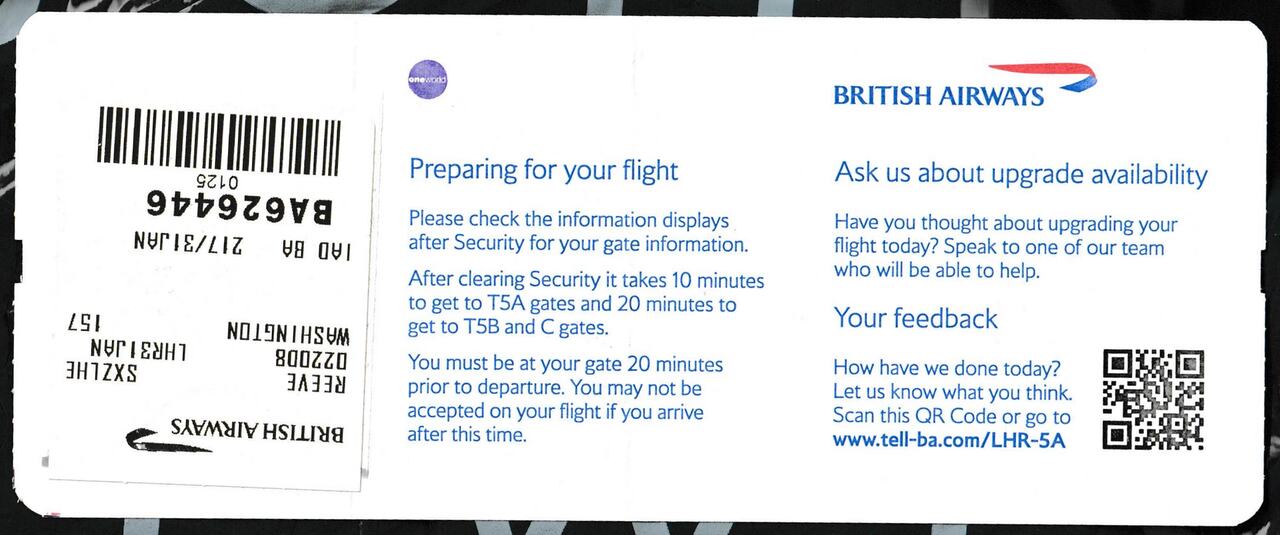
Ask at check-in for the first flight: "Is my bag tagged all the way through to the final destination?" The tag itself shows the destination code, so you can read it yourself while it is still on the counter.
Transit without immigration
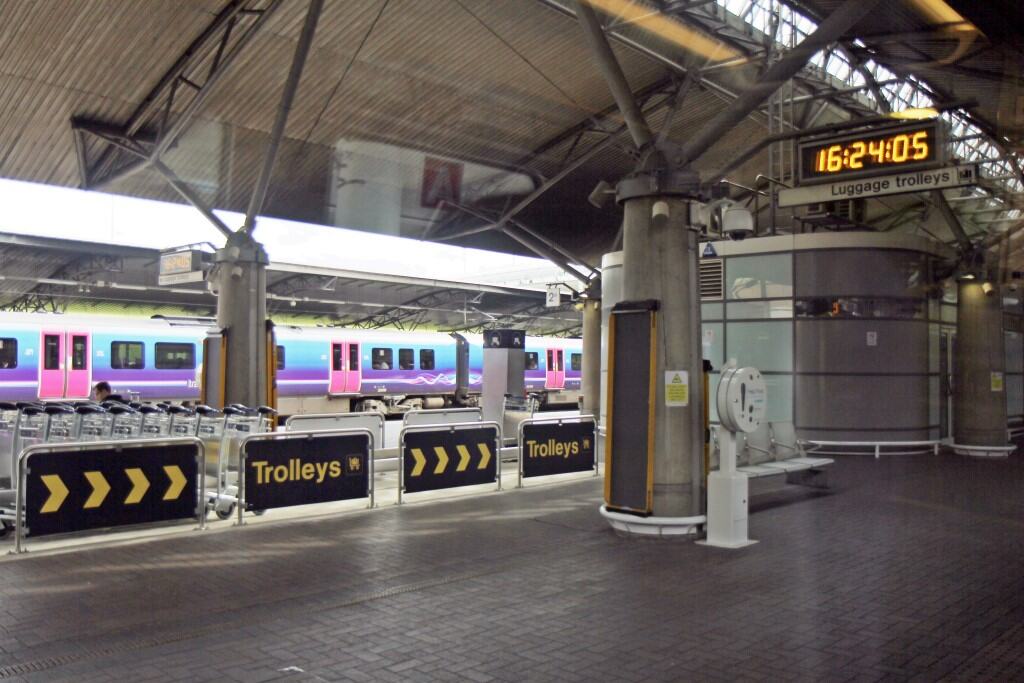
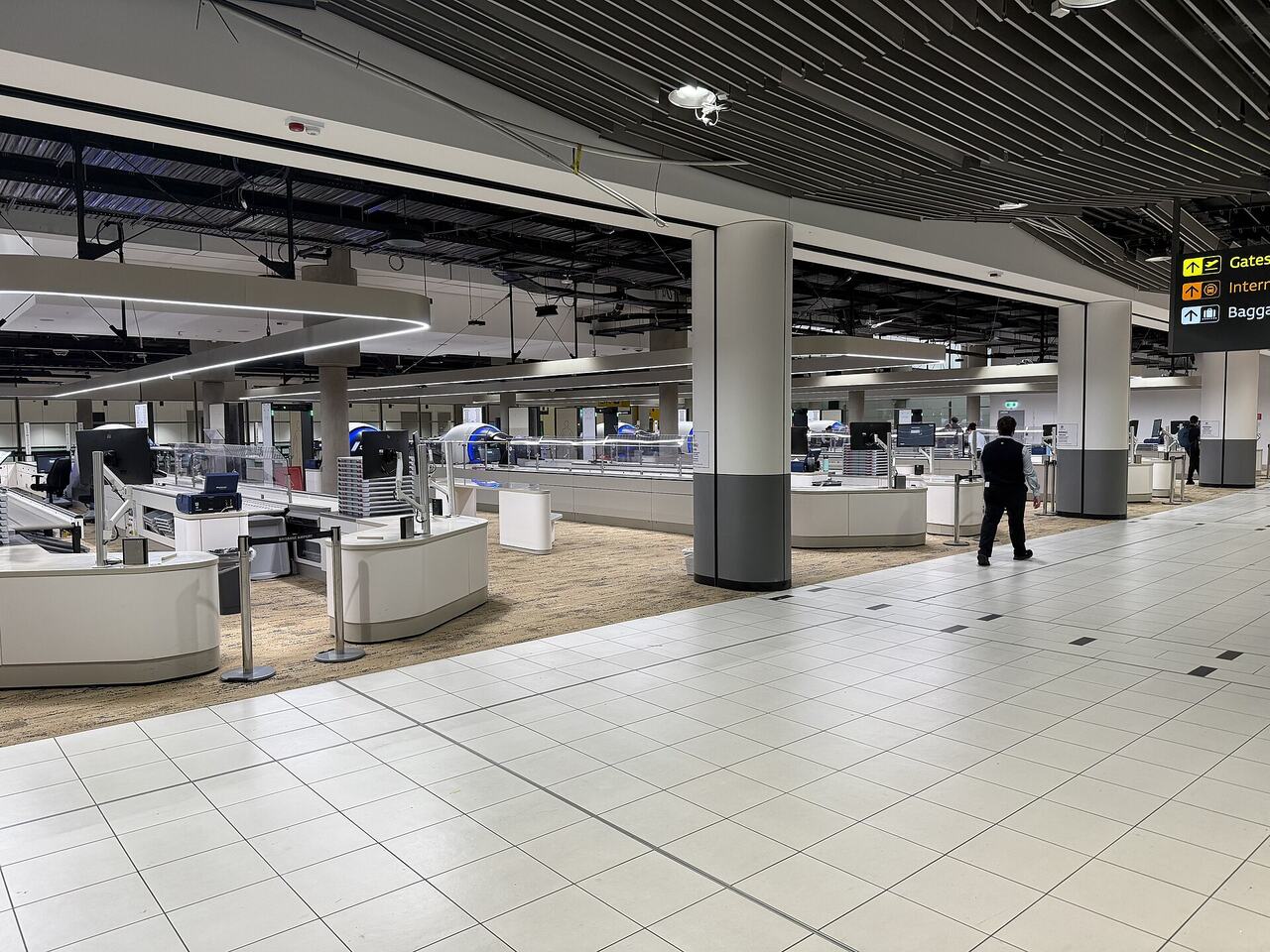
In many airports you stay airside, walk to the next gate and possibly pass a transfer security check. This is the fastest option and can be done in under an hour in a well designed terminal. Even then, check whether the second flight leaves from another terminal, since that may need a train.
Some countries require a transit visa even if you never leave the sterile area. That is a document question and it must be resolved before you fly, not at the connection.
How much time to allow
- Same terminal, one ticket, no immigration: 60 to 90 minutes.
- Different terminal, one ticket: 2 hours.
- Immigration and baggage recheck: 3 hours.
- Separate tickets: 4 hours or an overnight stop.
If the connection is at risk
Speak to the crew before landing so they can tell you the gate and whether the flight is holding. Sit near the front if you can change seats. On arrival, look for staff holding a connections sign, since many airlines meet at risk passengers at the aircraft door.
If you have already missed it, go straight to the transfer desk rather than out to arrivals. Transfer desks rebook faster and are usually much less busy.
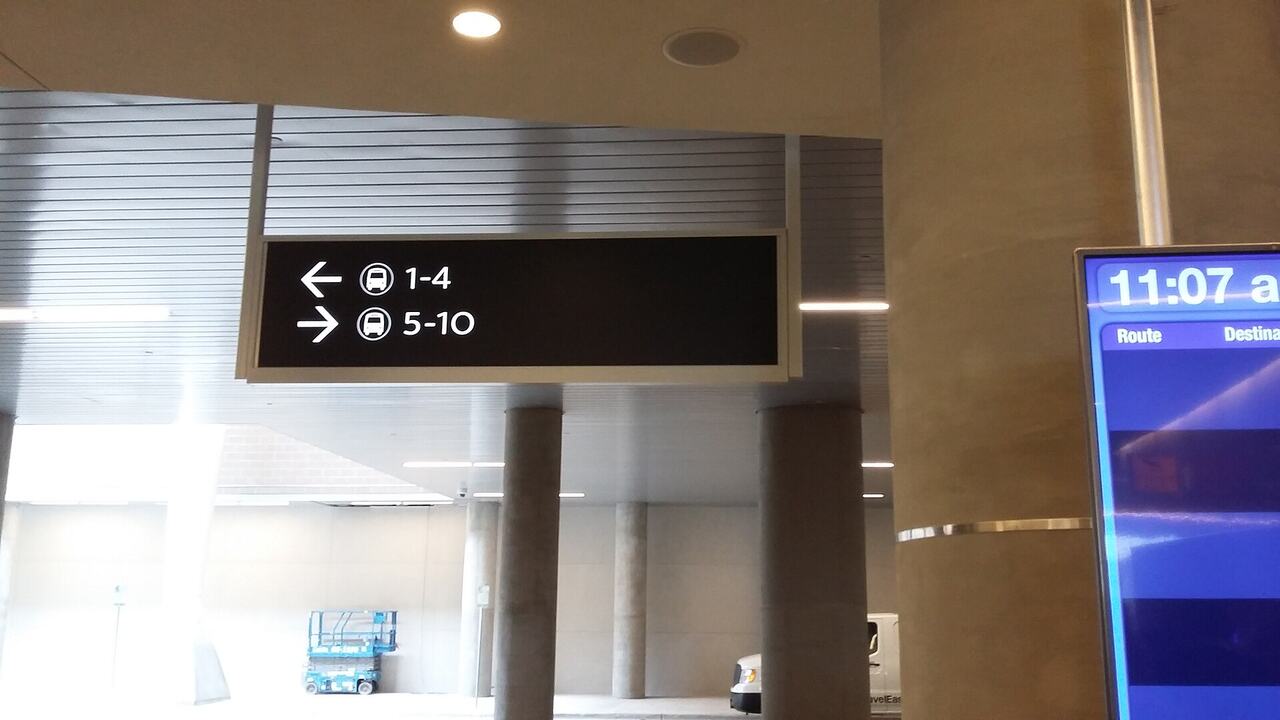
Long connections in practice
A connection over five hours is worth planning like a mini stopover. Look up whether the airport has showers, a paid lounge that accepts walk in guests, quiet rooms or a nearby hotel with day rates. Some cities offer free transit tours for passengers with long layovers, which is a genuinely good use of the time.
Interline and codeshare agreements
Whether your bag transfers automatically and whether a delay is protected often comes down to an agreement between the two airlines involved, called an interline or codeshare arrangement. Two flights bought on the same ticket are not always guaranteed to have this in place, especially with low cost carriers, so it is worth asking directly at booking or check-in rather than assuming, since the rules genuinely vary by airline and route.
Before a tight connection
- Confirm whether your bag is checked through to the final destination.
- Note the arrival gate and departure gate for the connecting flight if shown.
- Check whether a terminal change or immigration step is required.
- Save the transfer desk location and your airline's contact number.
- Keep travel documents and any required visas accessible, not packed away.
Overnight and misconnected passengers
If a connection is broken because of an airline delay, you are usually entitled to rebooking and, on longer waits, meals or a hotel, though the exact rules depend on the airline, the country and the reason for the delay. If the missed connection is because you arrived late through no fault of the airline, for example a slow immigration queue on a self connecting itinerary, you may be treated as a no show, so the earlier point about buffer time really does matter here.
When a delay is announced, look for an airline representative near the gate rather than joining a general queue at a desk, since staff often work the crowd first to find and prioritise passengers with tight or already missed connections. It is a small thing but it can save a genuinely long wait later in a queue with everyone else.
Currency, phones and small tasks during a connection
A connection is also a reasonable moment to sort small logistics for the next leg: withdrawing local currency if you are landing somewhere new, buying a data package, or sending a quick message to whoever is meeting you. Just keep half an eye on the gate screen while you do it, because none of these tasks are worth missing a boarding call for.
Common questions
- Will the airline hold the plane for me?
- Sometimes, if several connecting passengers are affected and the delay is short. Never plan on it.
- Do I need to clear security again during a transfer?
- Often yes, at a transfer checkpoint. The liquid rules apply again, including to bottles bought at the first airport.
- Is a two hour connection risky?
- It is comfortable in the same terminal on one ticket, and tight if you must change terminals or clear immigration.
Still stuck on something?
We publish information only, so your airline is always the right first call for a specific booking. If you cannot find an answer on the site, send us the question and we will point you to the right guide.