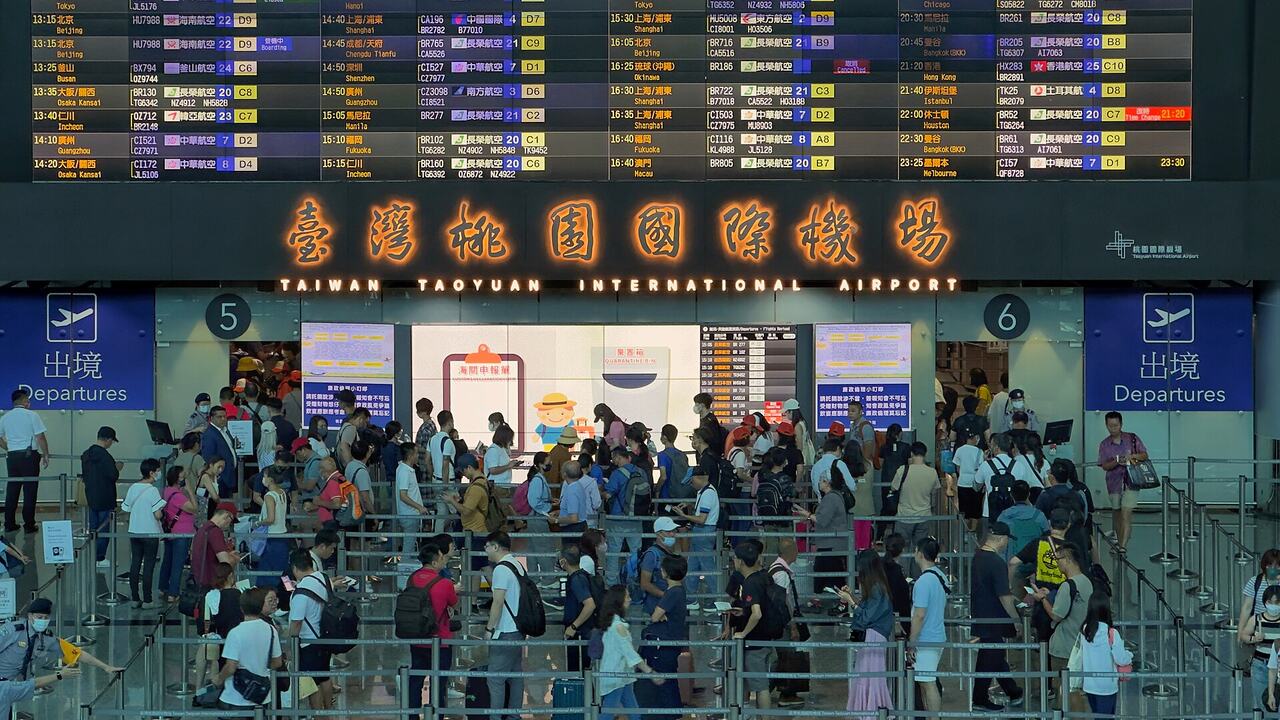
Security screening looks chaotic from the queue and is actually a simple sequence: documents, divest, scan, collect, and occasionally a secondary check. Knowing the sequence is most of what makes an experienced traveller look fast.
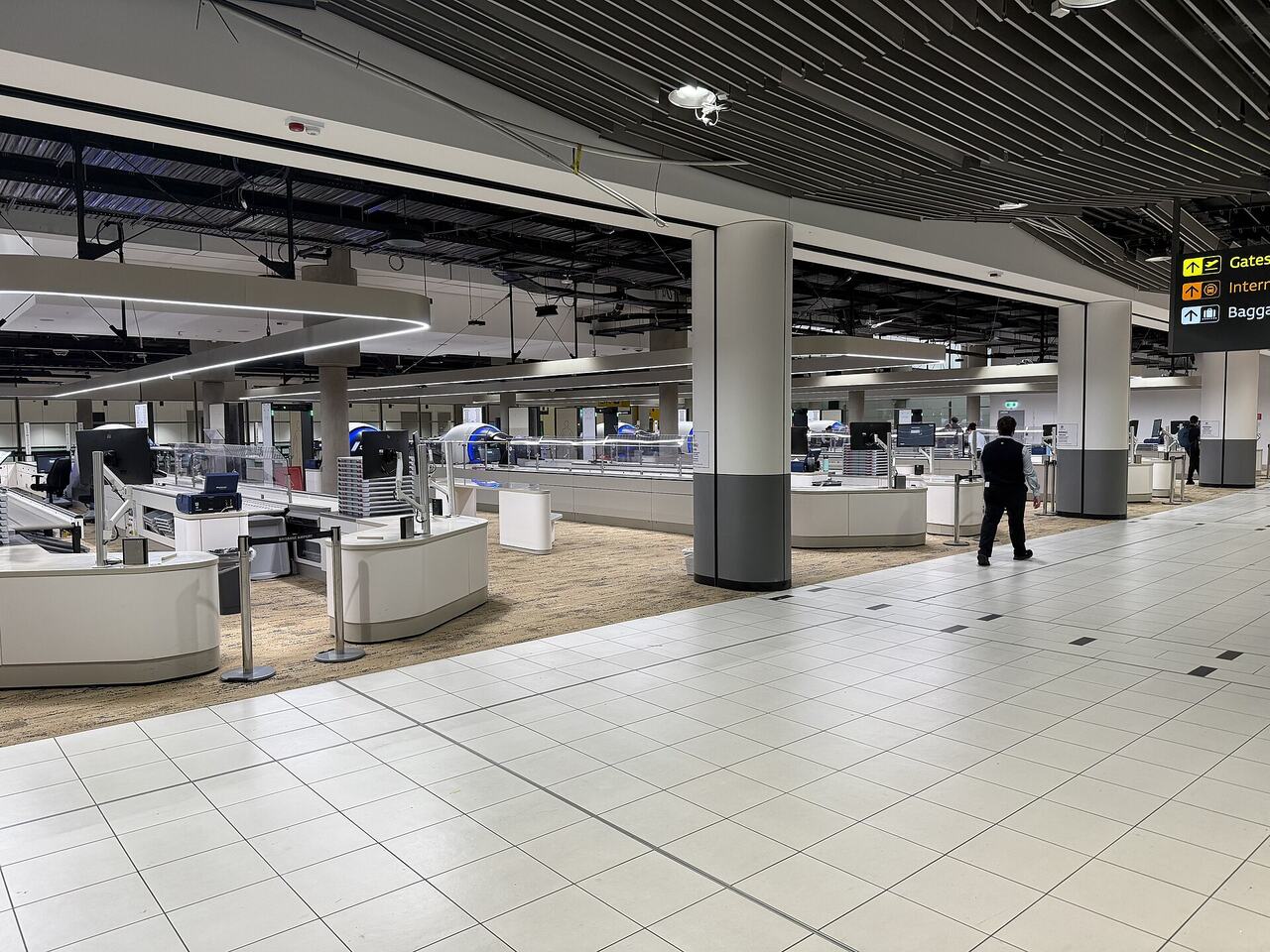
Stage one: document check
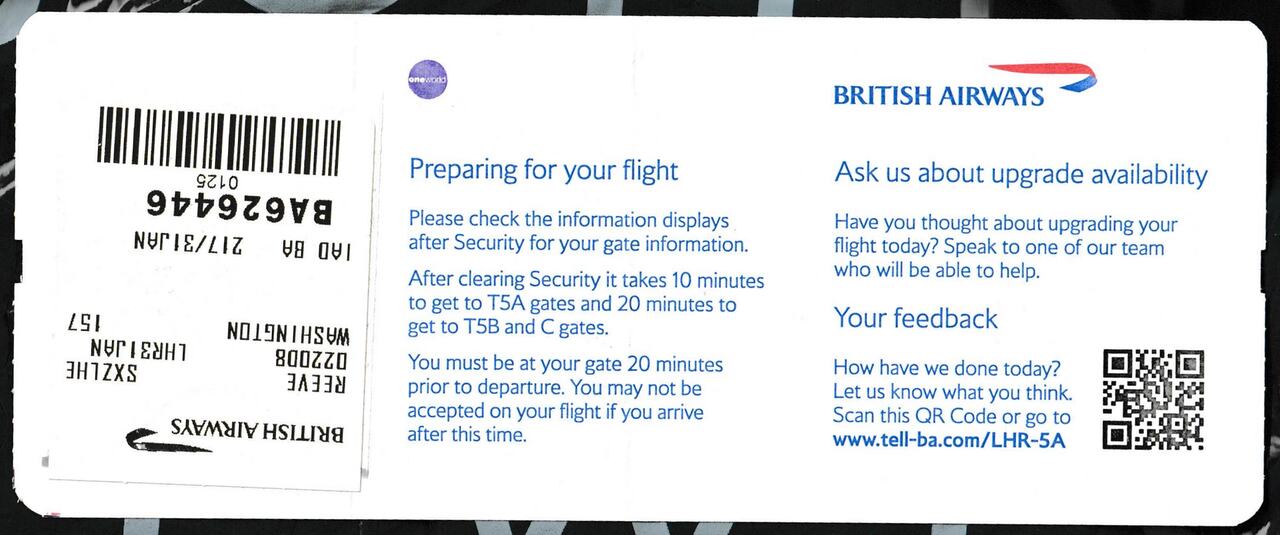
An officer or a gate scans your boarding pass to confirm you belong airside today. Have the pass ready and the screen brightness up, because dim phone screens are the most common reason people get waved back.
Stage two: divest
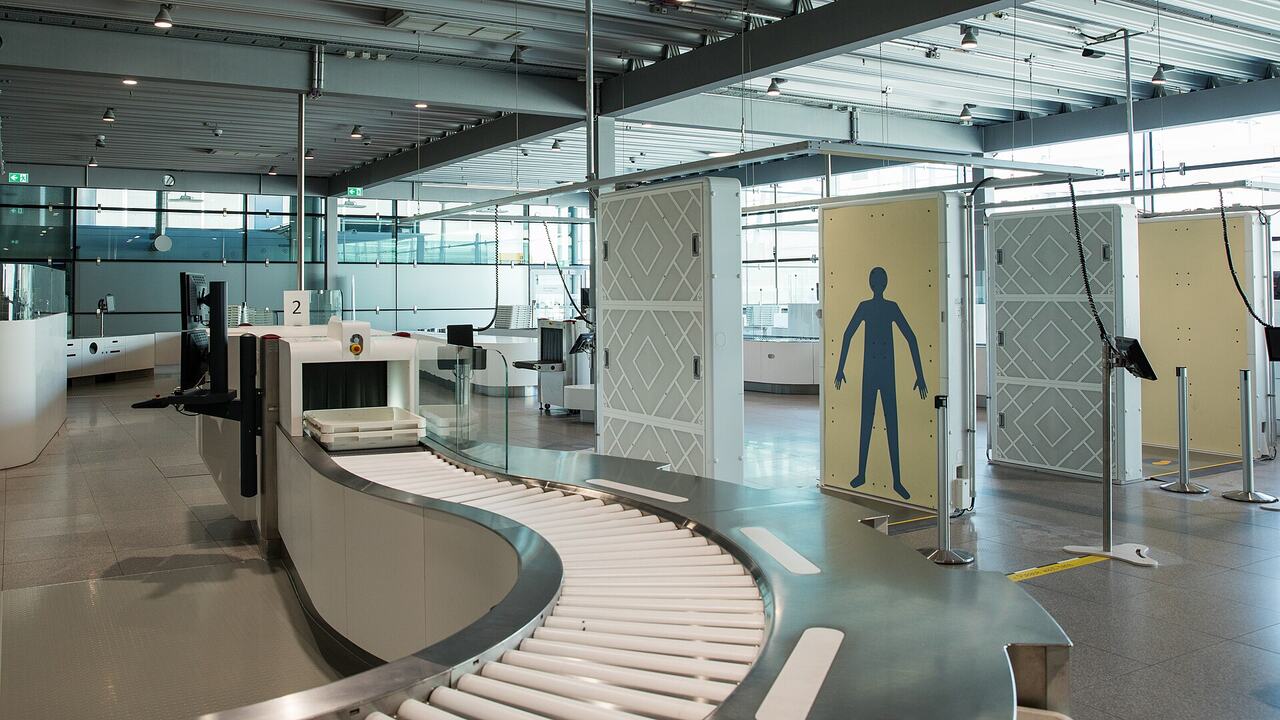
This is the part you control. What you must remove depends on the equipment. Older X-ray lanes want liquids and large electronics out of the bag, plus coats, belts and sometimes shoes off. Newer computed tomography scanners often let you leave everything inside.
- Follow the signs in your lane, not what you did at another airport last month.
- Empty your pockets completely into a bag rather than a tray, so nothing small gets left behind.
- Put the liquids bag on top before you join the queue.
- Take the laptop out only if asked, then put it flat in its own tray.
Stage three: the personal scan
You will walk through a metal detector or stand in a body scanner. Body scanners produce a generic outline, not an image of you, and the operator only sees a highlighted area if something is detected. If you have a medical device, an implant or a prosthesis, tell the officer beforehand and ask for a private screening if you would prefer one.
Stage four: bag search
If your bag is pulled aside, an officer will usually ask permission to open it and will handle the search in front of you. Do not reach into the bag yourself. Most searches are triggered by dense objects, tangled cables, jars of food, or a forgotten bottle of water.
Random additional checks including swab tests for traces of explosive are routine and do not mean you are suspected of anything. They take about a minute.
Special cases
- Medication and medical liquids are normally allowed above the liquid limit if declared.
- Baby milk and food are allowed, though you may be asked to taste it.
- Duty free liquids in a sealed tamper evident bag with the receipt are accepted at most connections.
- Musical instruments and camera gear are fine but may need a manual inspection, so allow extra time.
After the lane
Move to a bench before repacking. Standing at the belt to reassemble your bag slows everyone behind you and it is where items get separated from their owners. Check you have your phone, passport, boarding pass, laptop and jacket before you walk away, in that order.
If you realise later that something was left behind, go back to the checkpoint supervisor or ask at an information desk about lost property. Items surrendered or left in trays are logged, though the process is slow and not everything is recoverable.
How long security actually takes
Wait times swing wildly through the day. Early morning banks of departures and school holiday periods can push a lane past 40 minutes, while a quiet midweek afternoon might clear in five. Airports increasingly publish live wait estimates on their website or app, and it is worth checking that figure the night before rather than guessing from memory of your last trip.
Registered traveller and fast lane schemes
Many countries run a paid or vetted programme that lets you use a shorter lane, sometimes with relaxed rules about laptops or shoes. These schemes vary a lot by country and airport, and they are not a guarantee of a fast pass every single time, just a better average. If you fly often through the same hub it is usually worth the annual fee, but check that your specific airport actually participates before paying.
Before you reach the lane
- Boarding pass ready, screen brightness turned up or paper copy in hand.
- Liquids bag accessible, not buried at the bottom of a bag.
- Laptop and large electronics in an easy to reach pocket.
- Pockets emptied of coins, keys and phone before you join the queue.
- Any medical devices or liquids declared and documentation ready.
It also helps to know what genuinely is not allowed rather than guessing. Sharp objects, most tools, and any liquid, gel or aerosol over the local limit unless declared as medical or baby related will usually get pulled and, in a lot of cases, thrown away rather than handed back. If in doubt, pack it in checked luggage instead, because arguing about it at the lane never ends well and it just slows down the whole queue.
Screening for children, older travellers and reduced mobility
Children usually go through the same process as adults, though very young children can often stay in a carrier or be carried through rather than walking the scanner themselves. Wheelchair users and travellers who cannot easily remove footwear or stand still for a scan should ask for assistance staff at the start of the queue, since most airports can screen you at a side lane without the same physical demands.
Common questions
- Do I have to take my shoes off?
- It depends on the country and the footwear. Thick soles and boots are more likely to be checked. Follow the signs in the lane.
- Can I refuse a body scanner?
- In most airports you can request a manual pat down instead, though it takes longer.
- Will they open my checked bag too?
- Hold baggage is screened separately and may be opened without you present. Some authorities leave a notice inside the bag.
Still stuck on something?
We publish information only, so your airline is always the right first call for a specific booking. If you cannot find an answer on the site, send us the question and we will point you to the right guide.