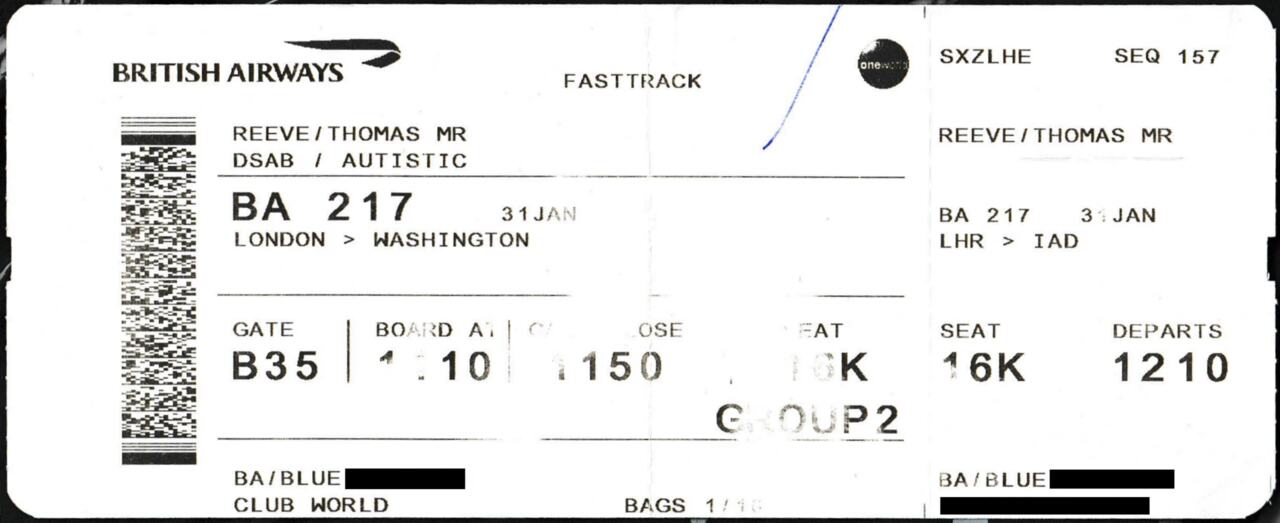
A boarding pass carries more information than most passengers read. Learning to decode it takes two minutes and answers a surprising number of travel day questions before you have to ask anyone.
What is printed on the pass
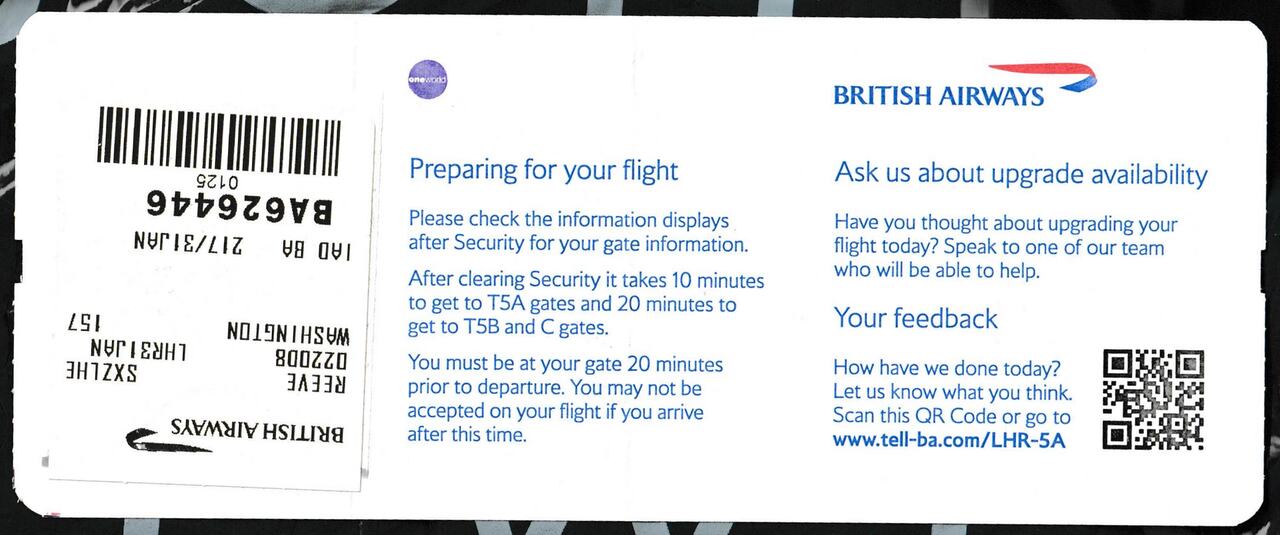
- Flight number and operating carrier, which can differ from the airline you booked with.
- Terminal and gate, correct at the time of printing and subject to change.
- Boarding time, which is typically 30 to 45 minutes before departure.
- Seat number, and often a boarding group or zone.
- Sequence number, showing the order in which passengers checked in.
- Baggage allowance, sometimes written as PC for pieces or a weight figure.
If the pass shows SSSS on some routes, it means additional screening has been selected for you. It is not an accusation, but it does add time, so head for the gate earlier than usual.
Checking in at the airport
There are three ways to do it: a staffed counter, a self service kiosk, or online in advance. Kiosks are usually quickest when you already have a bag tag to print. Counters are necessary for special assistance, visa checks, infants and complicated itineraries.
Automatic bag drop is now common. You print the tag at a kiosk, loop it around the handle so the barcode hangs freely, then place the bag on the belt and scan your pass. Keep the small receipt portion, because that is the number the airline uses if the bag goes missing.
Boarding groups and priority
Airlines board by group to load the aircraft efficiently. Groups usually reflect fare type, loyalty status, and seat position. Boarding early gets you overhead bin space, which is the only real advantage on a full flight. Boarding late means less time sitting in a cramped cabin.
If your cabin bag is essential to you, board with your group. If it is small enough to fit under the seat, there is no rush at all.
Gate changes and delays
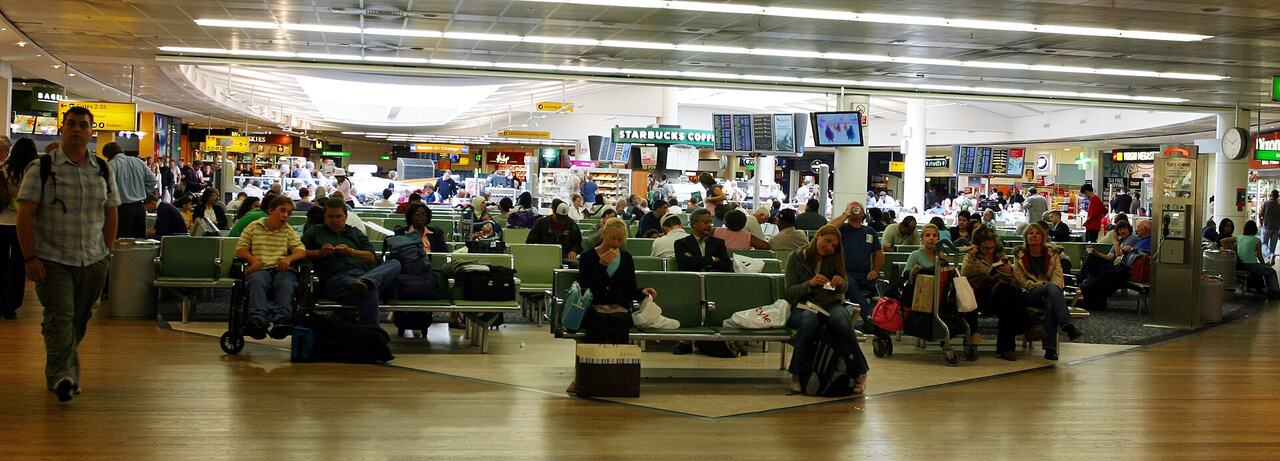
Gates change often, especially at hub airports where aircraft rotations shift during the day. Check a screen every 15 minutes while you wait, or enable notifications in the airline app. Do not rely on hearing an announcement, because terminal acoustics are unreliable and some concourses are deliberately quiet.
Standby, upgrades and seat changes
Gate agents handle standby lists, upgrade clearing and seat changes, but only once the boarding process is under control. The polite approach is to ask early, then step aside and wait to be called. Asking again every few minutes rarely helps.
If you want to sit with a travelling companion and were seperated by the system, ask at the gate rather than in the cabin. Agents can move seats before boarding, crews often cannot afterwards.
Reading the fare and ticket details
Beyond the seat and gate, most passes also carry a fare basis code and a ticket number, which matter mostly if something goes wrong. Keep a screenshot or the paper stub until after the trip, since it is the quickest reference an airline representative can use if a refund, rebooking or missing luggage claim comes up later. It looks like meaningless letters and numbers, but it is genuinely useful.
Online check-in versus airport check-in
Checking in online, usually opening 24 to 48 hours before departure, often unlocks better seat choices and can skip the counter entirely if you have no bag to check. It also gives you an early warning if there is a problem with your booking, a name mismatch or a document requirement, while you still have time to fix it from home rather than discovering it at the airport with a queue behind you.
Before you leave for the airport
- Check in online if the airline allows it, and note your seat and boarding group.
- Confirm the terminal on the airline app, not just the original booking confirmation.
- Have your ID or passport in the same pocket as your boarding pass.
- Charge your phone, or print a paper copy as backup.
- Check baggage allowance figures against what you have actually packed.
When the boarding pass and the app disagree
Occasionally the paper or PDF pass you printed early shows an old gate or time, while the airline app has already updated. The app and the airport screens are usually more current, so treat a printed pass as valid for identification and seat number, but always double check timing details against a live source once you are inside the terminal.
It is also worth knowing that a boarding pass alone does not always get you past every checkpoint. Some countries require a separate exit form or additional stamp, and some connecting itineraries need a transfer boarding pass printed at a transfer desk rather than issued at your first check-in. None of this is universal, so when unsure, ask the check-in agent directly what documents you will need at each stage.
Common questions
- Does a low sequence number mean anything?
- Only that you checked in early. On oversold flights, passengers who checked in late are more likely to be affected.
- Do I need a printed pass if I have it on my phone?
- Not usually, but some airports and airlines still require paper. A printout is a free backup.
- What if my name is misspelled on the pass?
- Tell the airline immediately. Minor differences are often accepted, but a wrong surname needs correcting before departure.
Still stuck on something?
We publish information only, so your airline is always the right first call for a specific booking. If you cannot find an answer on the site, send us the question and we will point you to the right guide.